
Crimean-Congo haemorrhagic fever: Man dies from 'bleeding eyes' tick bite in hospital near Madrid, Spain - full list of symptoms

A man has died in a hospital near Madrid, Spain from a rare ‘bleeding eyes’ tick bite.
The 74-year-old lost his fight for life after being diagnosed with Crimean-Congo haemorrhagic fever (CCHF) - which can make sufferers’ eyes bleed. He had been admitted to the Rey Juan Carlos University Hospital in Mostoles on July 19 after being bitten by a tick near his weekend residence in the municipality of Buenasbodas in Toledo, around 100 miles southwest of the Spanish capital.
After confirming he had the rare virus, he was transferred to a high-dependancy isolation unit at Madrid’s La Paz University Hospital to minimise the risks of anyone else catching it. His condition was initially described as stable but it soon deteriorated. He reportedly developed all the symptoms of the terrifying disease and he died on Saturday (27 July).
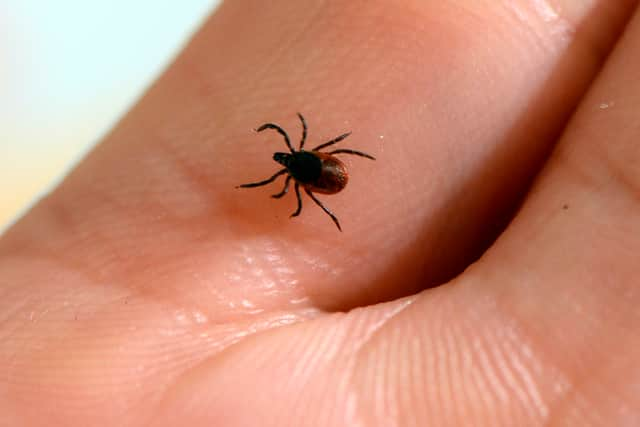

He becomes the first man to die in Spain from CCHF since May 2020 when it claimed the life of a 69-year-old man. The tick-borne disease, similar to that of Ebola, is listed by the World Health Organisation as being one of nine pathogens deemed most likely to trigger a pandemic. Initial symptoms include a fever, muscle aches, abdominal pain, a sore throat and vomiting.
It can also cause mood swings and confusion, as well as sleepiness and also triggers bleeds usually from the nose or from broken capillaries on the eyes and skin. Although transmitted through tick bites, it can spread between humans through bodily fluids including blood or among hospital patients if medical equipment is not properly sterilised.
The virus has been found among ticks in Africa, Asia, the Middle East and Eastern Europe and South Western Europe. There have been around 15 cases of CCHF infection in Spain since it was first detected in 2016.