
Flight cancellations and skyrocketing air fares: Iran war hits air travel - expert predicts effects "will be very long lasting"

As the war in the Middle East rumbles on, experts are predicting flight cancellations and skyrocketing air fares
While we all reel at the prices of fuel at the pump, airlines are facing steeper inclines in costs, provoking fears of skyrocketing air fares in the coming weeks and months. After the US and Israel launched military action against Iran, motorists are now facing costs at the pumps around 40% higher than they were in February - 80% higher for those buying diesel.
But for those buying jet fuel for planes travelling around the world, the increase is closer to 125% since the beginning of the conflict. The increase is higher than the effects of the Russian invasion of Ukraine in 2022, which sent jet fuel surging to around $155 a barrel. It now sits at around $210.
Senior economist at Barrenjoey, Johnathan McMenamin, told the Guardian the difference in prices was due to refiners struggling to operate with falling oil supplies. “They have less crude coming into their refineries so they have to reduce their capacity," he said. "And when they have less product to refine, they produce less jet fuel. But demand is not really adjusting.”
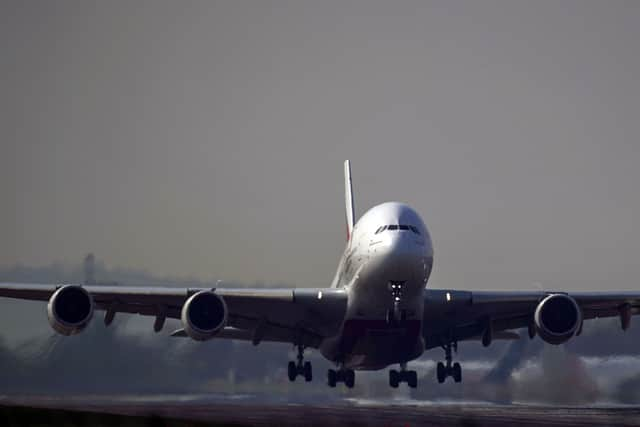

Flight cancellations and ticket price increases
Rising demand and falling supply means higher prices, with airlines such as Qantas and Virgin Australia raising ticket prices and cutting flights in recent weeks. Asia editor at aviation analytics company Cirium, Ellis Taylor, said airlines were being clear about flight cancellations after controversy over flights stopped during the pandemic.
“This time around where they are cutting flights they are being vocal about that and moving quickly to accommodate passengers. That memory from Covid is close and haunting,” he said.
“At the moment, demand seems to be holding up," he added. "We won’t see it announced, but fares will start to slowly ratchet up. I’d expect fares to increase in the order of 20% at the very least compared to last year.
“It’s hard to measure fares in aggregate, but what consumers will see are fewer discounted tickets. During the peak periods, it might be that the fare differences will be more noticeable.”
Graham Doig, a senior lecturer at the University of New South Wales’s school of aviation, told the Guardian airlines operated on incredibly thin margins, and had tried to keep prices rises down. “I think they are biting the bullet now and have to pass this on to customers, as they don’t have other ways to make up the revenues,” he said.
He added: “I think the effect will be very long lasting. Oil prices don’t go straight back down – we saw that after Covid. It can take months to years.”
While sustainable jet fuels had been scientifically proved to be a viable alternative, they represented a “cost and a scaling issue”, he went on, adding: “Right now, only a few percent of the global supply of jet fuel could be produced, and it’s not cost-competitive.”