
Spain tourist ban: Are holidaymakers actually banned, what is the new three-year law - and what does it mean for Brits

A new three-year law was introduced in Malaga this month which has been dubbed a ‘tourist ban’ by some.
The term is misleading however as the law doesn’t ban tourists from anywhere. Instead, it prevents the registration of any new holiday rentals across 43 districts in the area.
The measure, introduced by Malaga City Council and Costa del Sol on January 14 and expected to last beyond the initial three years, aims to stop the rise of holiday-rental properties in the most crowded parts of the city and give locals a better chance of finding long-term lets. This means that holidaymakers can still book hotels, Airbnbs and other accommodation as normal.
The only existing accommodation that will be affected are holiday flats registered since February 2022 that do not have access and resources separate from those for permanent residents. These lets will have their licences cancelled, reports the Mirror.
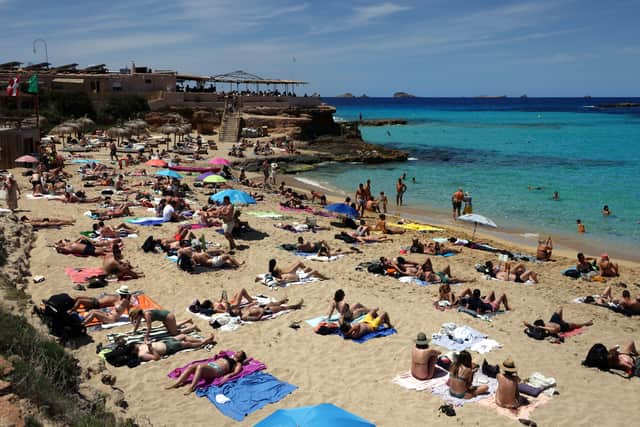

Similar bans have been introduced in Alicante and Madrid over the past year, and more cities, including Seville are set to follow suit. Spain is also not the only nation implementing new rules to deal with mass tourism.
Last year a fee was introduced for day-trippers visiting one of Italy’s most popular cities, Venice. It's thought neighbouring countries France and Portugal could also follow Spain’s suit if the scheme proves successful, with concerns among their populations too over mass tourism.
In June last year, Barcelona's mayor announced plans to ban all tourist apartments by November 2028. Alicante has imposed a two-year ban on new licences for short-term holiday rentals in order to address concerns over mass tourism and housing supplies.