



Temperatures are forecast to climb into the 30s this week as the UK braces for days of scorching weather.
The Met Office has issued a four-day amber warning for extreme heat in parts of England and Wales for Thursday to Sunday, with temperatures expected to hit 36C in some areas.
A heat health alert is also in place from the the UK Health Security Agency (UKHSA) as experts warn the hot weather is likely to cause adverse health effects, particularly among the elderly, young children, and those with existing health conditions.
It comes as months of low rainfall and hot spells have left parts of the UK facing drought, prompting hosepipe bans and warnings on the impact on agriculture, rivers and wildlife.
Thames Water has had to supply bottled water for residents of the village of Northend in Oxfordshire and pump water into the network after supplies were disrupted.
Three other water companies – South East, Southern and Welsh Water – have announced hosepipe bans for customers in areas they supply.
Elsewhere, grass fires have broken out as the heat and lack of rain have left countryside, parks and gardens tinder-dry, prompting calls for people not to have barbecues and for disposable barbecues to be banned.
Temperatures are not set to be as extreme as those in July which smashed records when the thermometer climbed to above 40C for the first time,but the UKHSA is urging people to take care in the heat and be aware of the common signs of heat exhaustion and heatstroke.
Heat exhaustion is not usually serious if you can cool down within 30 minutes, but if it turns into heatstroke, it needs to be treated as an emergency, the NHS says.
If you are out enjoying the warm weather this week, these are the key symptoms of heatstroke to be aware of, and when you should seek medical help.

5. Body cramps
Heatstroke can cause cramps in the arms, legs and stomach, and will often be accompanied by heavy sweating, fatigue and thirst. Heat cramps can be treated by drinking fluids containing electrolytes, and resting in cooler, shaded areas. | Maridav - stock.adobe.com
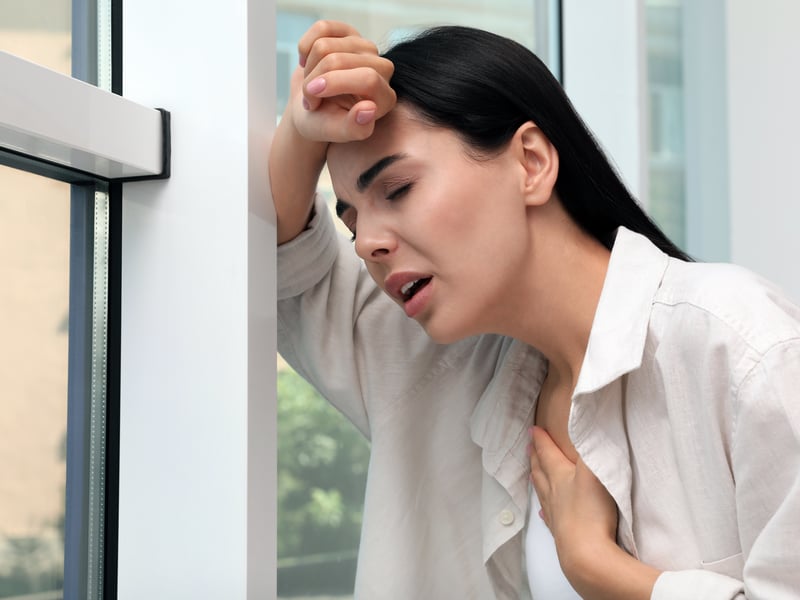
6. Fast breathing or pulse
Your breathing may become rapid and shallow if you have heatstroke and your pulse may feel as if it is racing as your body tries to cool itself down. If you have either of these symptoms you should move to a cool place, lie down and raise your feet, drink lots of water, and cool your skin with a damp cloth or cool pack. | New Africa - stock.adobe.com
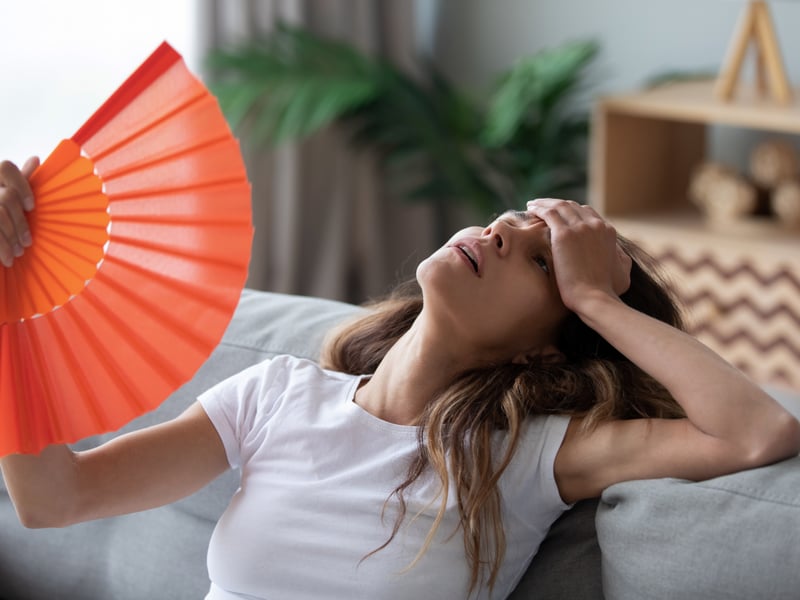
7. High temperature
A high temperature of 38C or above is a common symptom of heat exhaustion and is a sign your body needs to be cooled down. Drink plenty of fluids, lie in a cool, shaded spot with your feet raised, and apply cold water or cool packs to your skin to bring your temperature down. | fizkes - stock.adobe.com
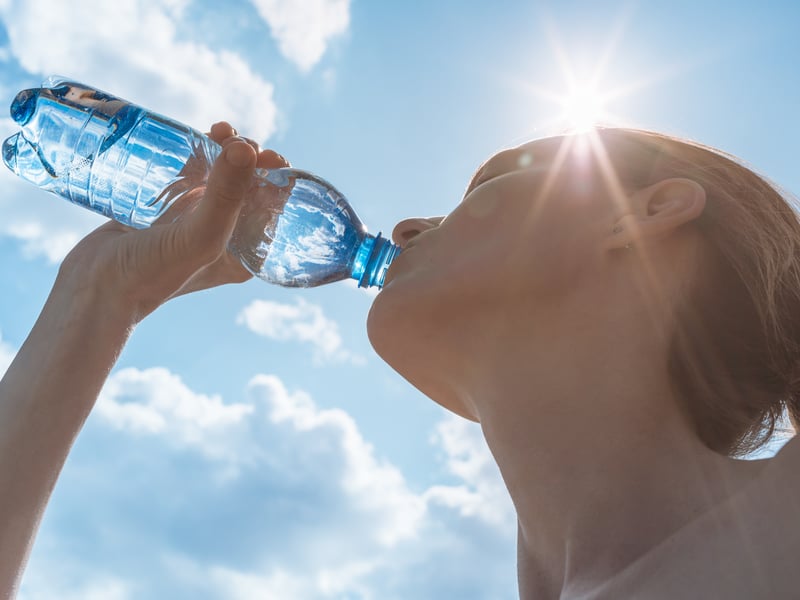
8. Being very thirsty
Feeling extremely thirst can be a sign of both heat exhaustion and dehydration, particularly if you also have dark, strong-smelling pee, feel dizzy or lightheaded, and tired. Make sure to replenish your body by drinking lots of water. A pharmacist can also recommend oral rehydration sachets to mix with water and drink. | kieferpix - stock.adobe.com