
Cases of Mpox disease rising rapidly - here's how to protect yourself

As cases of Mpox rise rapidly, Professor Robert Thomas explains how people can protect themselves against the disease.
Mpox disease is caused by infection with Monkey Pox Virsus (MPV). The virus is similar to cow pox and small pox but less fatal. Incidence rates are rising rapidly in Central and Eastern Africa and cases are inevitably appearing in Europe. Last month 100 new cases appeared but numbers are expected to escalate. The real concern is that increased globalisation, population density and increased interconnectivity between cities and countries, makes it easier for infections rates to spread rapidly.
As a consequence, the World Health Organisation (WHO) have upgraded this outbreak as a public health emergency of international concern but, at the moment, have held back in suggesting this is the next Disease X - the next likely threat to global physical and financial health.
Mpox has been endemic since 1970 in central and West Africa, so a natural level of inherent resistance has developed. If it gets a foot hold in Europe, however, the story could be different. Since the disappearance of milk maids, people have had no previous exposure to cow pox or other similar pox viruses, so there is no cross immunity with Mpox. What's more, with increasing obesity and diabetes rates in an ageing population, people are more vulnerable to complications of any viral infection.
What health organisations are doing to prevent Mpox spread?
Organisations such as the WHO, The UK Health Security Agency, the USA Centers for Disease Control and Prevention have been busy preparing for the next pandemic (hypothetical known as Disease X). There is renewed vigour to drive research to discover anti-viral medication, ands faster vaccine development and implementation. Learning from Covid and previous pandemics, hopefully, they may plan more effective lockdown strategies which compartmentalise the most vulnerable and allow children to continue social integration and education and fit younger adults to continue to work to support the economy.

What can we do to protect ourselves from Mpox
Avoid contact: Mpox is usually passed on from person to person through close physical contact including during sex, kissing, hugging or even holding hands so ensure someone you get close to does not have any Mpox blisters or has recently travels to Central or West Africa. Make sure the clothing and beddings are clean and don't share towels with someone who may be infected.
Wear a mask and isolate yourself if exposed: If you have developed a cough or sneezes, you should isolate as this will will help stop the spread to friends, relatives or loved ones. Likewise, even if you have a suspicion of contact - isolate yourself until the threat has passed.
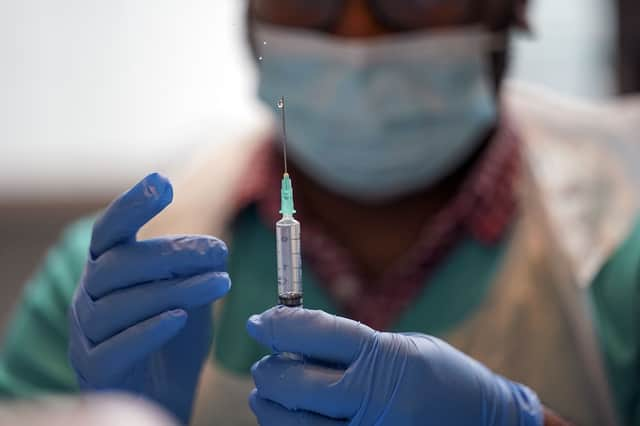
Get vaccinated, if you're in a risk group: Fortunately, the small pox vaccine, which has already been developed, offers protection against Mpox. You can ask for the vaccine if you are a healthcare worker caring for patients with confirmed or suspected Mpox. Men who are gay, bisexual or have sex with other men, and who have multiple partners, participate in group sex or attend sex-on-premises venues are eligible. Likewise if people who are planning to go to Central or West Africa.
Get fit as possible: The healthier you are, the more likely you will survive a viral pandemic. Data from New York, for example, at the height of the Covid pandemic showed that <2% of the tragic deaths involved people who did not have either diabetes, heart disease, high blood pressure, obesity, chronic bronchitis, or other concurrent serious illnesses.
Obviously, the older we get, the more chance we have of getting one or more of these conditions, but one interesting study from China showed that 80-year-olds who were slim, fit, physically active without any chronic disease did not have much more of a risk than 50-year-olds. In general, many of these chronic conditions are strongly influenced by overeating unhealthy sugary foods, being overweight, not exercising and smoking.
Boost your gut health: Research conducted in previous viral outbreaks proved that people with more healthy strains of gut bacteria, such as lactobacillus, had better immunity, less gut inflammation, and better gut wall integrity, which correspondingly lead to a more controlled systemic inflammatory response.
Ways to increase the ratio of healthy bacteria in the gut include reducing processed sugar intake, eating probiotic and prebiotic rich foods such as mushrooms, nuts, artichokes and beans, as well as consuming more probiotic bacteria in live yogurt and kimchi. For people who do not eat these foods on a daily basis, a good quality lactobacillus probiotic supplement which significantly reduced symptoms and sped up recovery in the last national covid nutritional intervention study.
Avoid Vitamin D deficiency: Studies from prestigious research centres around the World have unanimously firmed that people with below normal levels of vitamin D3 have lower immunity and they are more likely to catch viral infections including colds, flu and covid. It would be sensible to assume this also applies to Mpox. Vitamin D deficiency continues to be common across the UK, as recently confirmed in the UK Biobank cohort.
Sensible sunbathing, without burning, is the best way to increase vitamin D levels. It is present in some foods such as oily fish and sun dried mushrooms but especially in dark months, a well-designed vitamin D supplement will help ensure adequate serum levels. The absorption and bio-availability of vitamin D is known to be enhanced by lactobacillus. In return, vitamin D3 encourages the growth of the “good bacteria” so there is a healthy synergy between these lactobacillus and vitamin D. Aim for a vitamin D supplement which is combined with lactobacillus.
Phytochemical-Rich Foods: Phytochemicals provide the colour, aroma and taste of plants but also have enormous health benefits. Laboratory research shows they have direct antiviral properties by slowing replication and blocking its spread. They also have the ability to dampen excess inflammation in the lungs, brain and joints.
Ideally, we should aim to have two or more colourful vegetable, herbs, spices, fruit or other phytochemical rich food with every meal of the day. There are good scientific data to show that boosting the intake of these foods with a phytochemical rich nutritional supplement can help a number of conditions ranging from cancer, arthritis and covid and other viral infections. If you are someone who does not eat a lot of these foods on a daily basis, this strategy may be a convenient addition to the diet.
In conclusion, combating the potential risks associated with Mpox disease requires global cooperation, proactive surveillance, investment in research, manufacturing and public health measures. Hopefully the WHO will come up with some practical suggestions to governmental bodies which will help us prepare against the potentially catastrophic consequences.
In the meantime, instead of betting on a paternalistic state to have all the answers, we can all take practical lifestyle changes to help ourselves. As well as the usual measures to promote fitness such as exercising three hours a week, maintaining a normal weight and quitting smoking, lessons learnt from the last pandemic suggests we should also be emphasising adequate vitamin D levels, better gut health and higher intake of phytochemical rich plant based foods.