
Sleep expert urges "do not nap for more than 30 mins" or it will impact overnight sleep quality
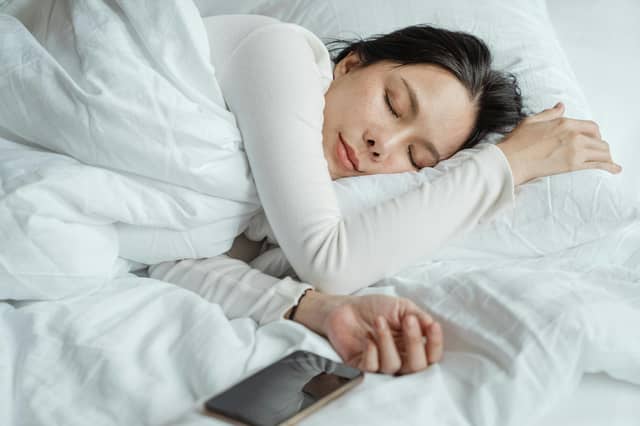

Daytime naps can negatively impact sleep quality if in excess of 30 minutes, new advice has revealed.
Research by Roseland Furniture surveyed the UK public to discover which scenarios have recently kept people awake at night or impacted their sleep.
The results found that an overwhelming majority (90.7%) of us are susceptible to physical, emotional, and environmental factors that can impact sleep quality. According to the survey, symptoms from an illness or health condition was the most likely scenario to disrupt sleep.
Reasons cited to have kept people awake at night, or impacted their sleep, in the last 12 months (ordered from highest percentage to lowest):
- Illness or health condition symptom (34.3%)
- Health-related worries (29.6%)
- Temperature - too hot (28.0%)
- Financial or money-related worries (27.9%)
- Poor mental health (27.2%)
- Work-related worries (22.1%)
- External noise (16.3%)
- Negative sentiment/unease) thinking about upcoming plans or event (15.5%)
- Internal noise (14.3%)
- Temperature - too cold (13.0%)
- Positive sentiment/excitement thinking about upcoming plans or event (11.6%)
- Grief (11.3%)
- Relationship issues (10.8%)
- Late-night creativity or inspiration (9.6%)
- None of the above (9.3%)
- Family-related routine or issues (7.4%)
- Pet-related issues (7.1%)
- Having sex (6.9%)
- Environmental worries (6.0%)
- Fear (5.7%)
- Light pollution (5.4%)
- Fright (3.4%)
Overall, women were more likely to struggle with their sleep compared to men. Looking at the top five scenarios keeping men and women awake at night, the key differences included work-related worries featuring in the top five for men (but not for women), and that poor mental health featured in the top five for women (but not for men).
Tristan Lynch, CEO at Roseland Furniture, commented: “There’s nothing better than climbing into your bed at the end of a long day, or curling up in your duvet for a lie-in on a lazy weekend. That said, millions of us are struggling with disrupted sleep, or being kept awake at night due to various physical, emotional, or environmental factors. Creating the right bedroom environment is crucial for a good night’s sleep… a dark, quiet, and well-ventilated environment enhances sleep – comfort is also key and should be an important consideration when choosing your bed, mattress, and bedding”.
Dr Babak Ashrafi from Superdrug Online Doctor added: “Most adults need around 7 to 9 hours of sleep each night to feel their best, but everyone’s different! Some people function perfectly on 6, while others need closer to 10. Factors like age, stress levels, and even genetics can influence how much shut-eye you need. The trick? Listen to your body—if you wake up feeling like a zombie, it might be time to tweak your sleep routine!”.
Dr Paul Wallang (BSc, MBChB, MRCPsych, MBA, CMgr FCMI), Consultant Psychiatrist at Cardinal Clinic also shared 15 tips and tricks to help people get to sleep:
- Stick to a fixed, regular and consistent bedtime and wake up schedule
- Prioritise sleep over most other activities and interests
- Avoid having a nap during the day, but if necessary do not sleep over 30 minutes
- Avoid alcohol and caffeinated drinks 6 hours before sleep
- Eat light and have dinner 3 hours before sleep (heavy meals or hunger disrupt sleep)
- Limit screen time to avoid phone and gadgets 2-3 hours before bedtime
- Avoid smoking or vaping before sleep
- Avoid working late, try to slow down and relax before sleep
- Create the right environment and calming bedtime rituals conducive for sleep
- Maintain a comfortable temperature around 18 degrees centigrade
- Use relaxation CDs, mindfulness apps, or relaxing music if this helps
- Do some relaxation / breathing exercises to relax
- Try yoga, light stretches, meditation or mindfulness if it helps
- Before sleep, spend 10 to 20 minutes reading a book to wind down
- Take 5 to 10 minutes to write if you have worries before bed to get them out of your head
As seen in point three, daytime naps can negatively impact sleep quality. They should be avoilded where possible, but if necessary you should look to keep the duration to less than 30 minutes!
For more information, visit https://www.roselandfurniture.com/blogs/a-roseland-home/top-reasons-keeping-uk-awake-at-night