
How to keep your dog cool in a heatwave: RSPCA advice for pet owners including if ice cubes, cool mats and wet towels are really safe

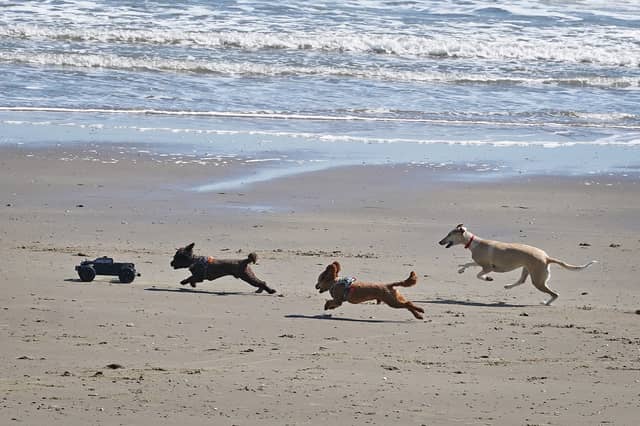

As dog owners struggle to keep their pets cool during the heatwave, the RSPCA has issues a warning over misinformation including if ice cubes, wet towels and cooling mats are really safe to use.
As yet another heatwave sweeps the nation, the RSPCA has issued advice on safe ways to keep your dog cool. The animal welfare charity has set out to debunk myths around caring for pets during hot weather to combat misinformation.
The pet experts have addressed 10 of the most common misconceptions when it comes to keeping your pet comfortable when the mercury rises - from how to properly use cooling mats to the dos and don'ts of wet towels, ice cubes and more.
Lauren Bennett, dog welfare expert at the RSPCA, said: "This bout of really intense heat can be such a stressful time for pet owners, as we try to keep our beloved animals as cool as we can. The best way to protect our pets is by equipping ourselves with the right knowledge and the latest science-backed research, which provides us with the most effective ways to do so.
"Sadly, there are a lot of myths out there about how to keep pets cool - so we've debunked the falsehoods, and are helping pet owners know what to do when it comes to heat-related pet care."
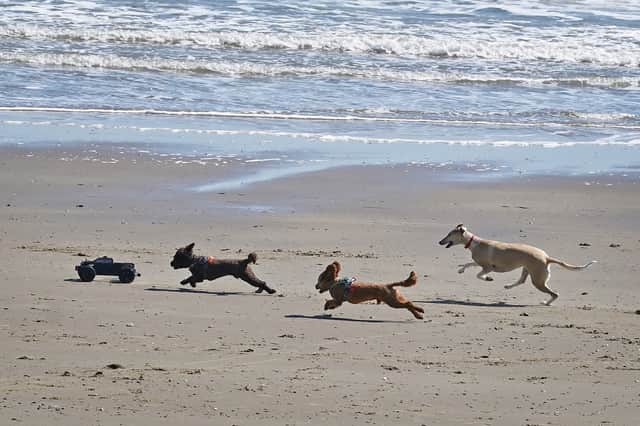
How to keep your dog cool in a heatwave
Myth 1: Cooling mats and cooling jackets are all the same
FALSE. Not all cooling mats and cooling jackets are created equal. Some are designed with self-cooling gel that remains cool without refrigeration, while others require pre-cooling in the fridge or freezer. It's important to select a mat that suits you and your dog's individual needs and to follow the manufacturer's instructions for safe use.
Myth 2: All dogs still need to be walked every day, regardless of the weather
FALSE. Walking and other exercise are great, and some dogs may seem to demand their usual routine, but on hot days, this can be dangerous. Exercise is the leading trigger of heatstroke in UK dogs. Instead, keep your dog engaged at home with puzzle toys, training games, or scent work. You can also plan dog walks to avoid the hottest parts of the day: early morning is usually safest, but think 'dawn or dusk' when planning summer activity. If your dog wants to sleep because of the warm weather, let them.
Myth 3: Ice cubes are dangerous
FALSE. Offering ice cubes or frozen treats for your dog to eat in hot weather can be safe when done correctly. Crunching or licking small amounts of ice cubes or popping them into their water bowl can help cool your dog down, but always supervise your dog to prevent choking hazards.
Myth 4: Damp towels should be placed over hot dogs
FALSE. Please don't do this. Placing damp towels directly over your dog's body can trap heat and worsen their condition. There may be some value in placing wet or damp towels under your dog, but never over their body, and you must re-wet the towel frequently to improve the cooling effectiveness.
Myth 5: Everything written online about pets in hot weather is good advice
FALSE. While the internet is full of all kinds of dog cooling 'tips', some outdated, some just plain dangerous. Not all advice is bad, but you do need to stick to what's backed by real science. Be particularly aware of social media crazes that suggest weird and wacky tips.
Myth 6: Transporting a heat-struck dog immediately to the vet is sufficient
FALSE. Traditionally, pet owners have been advised to rush a heat-stroked dog to the vet in the car without delay. However, the Dogs Die in Hot Cars and Hot Walks Coalition advises that this approach may exacerbate the dog's condition, especially if transporting them in a warm car.
The current best practice, as endorsed by the Royal Veterinary College, is to cease all activity and remove the dog from the hot environment, initiate cooling and once the dog's temperature begins to decrease, transport them to the veterinary clinic. The RSPCA has detailed advice on treating heatstroke on their website.
Myth 7: Cold water causes shock
FALSE. Contrary to popular belief, cold water rarely causes shock in overheated dogs - dousing or immersing your overheated dog in cold water is vital to their recovery. The effects of heatstroke are incredibly dangerous and fatal if left untreated, so rapid cooling is essential to give a dog suffering from heatstroke the best chance of recovery.
Myth 8: The water used to cool dogs must be at a specific temperature
FALSE. It's a common misconception that the water used to cool an overheated dog must be at a precise temperature. In reality, any water that's cooler than the dog's body temperature can aid in cooling. The most important thing is to wet the dog liberally as soon as possible after you notice them overheating, and then use fans to encourage water evaporation and heat loss.
Myth 9: It's impossible to know what to do for our pets in the heat
FALSE. There's so much you can learn about your pet to keep them cool. Sign up to attend one of the RSPCA's monthly virtual Cool Dog Summer workshops to learn more about keeping your dog safe during the summer season.
Myth 10: If you see a dog in a hot car, call the RSPCA
FALSE. Seeing a dog in a hot car is an emergency and should be reported immediately to the police, rather than the RSPCA in the first instance. Only the police have the legal power to enter a vehicle to rescue an animal in distress. If you believe a dog is in danger, call 999 without delay.