
Is a hair transplant permanent and does it really work?

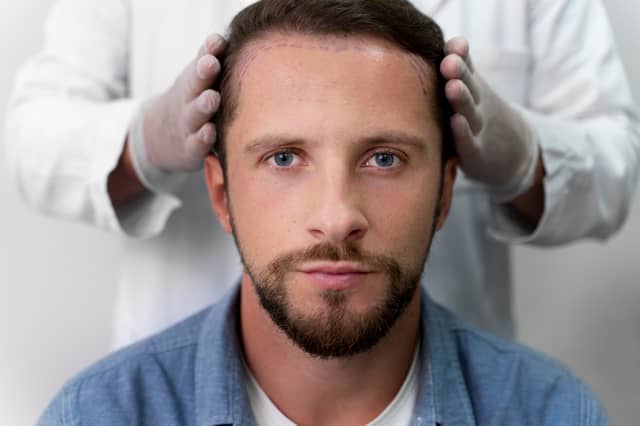

A hair transplant is a significant decision for anyone experiencing hair loss.
The primary concerns are straightforward: will the results last, and is the procedure genuinely effective? The short answer is yes, a modern hair transplant is designed to be a permanent solution, and it works exceptionally well when performed by skilled experts. This article explores the science behind its permanence, the techniques that ensure success, and what you should look for in a clinic, with insights from leading providers like Capilclinic, which specialises in creating lasting, natural-looking results.
What makes the results of a hair transplant permanent?
The permanence of a hair transplant is rooted in a simple genetic principle. The hair follicles on the back and sides of your head are genetically resistant to dihydrotestosterone (DHT), the hormone primarily responsible for male pattern baldness. During a hair transplant, surgeons don't create new hair; they strategically relocate these DHT-resistant follicles from the "donor area" to the balding "recipient area." Once transplanted, these follicles retain their genetic resilience and continue to grow hair for life, just as they would have in their original location.
This is why a successful hair transplant procedure is not a temporary fix but a permanent solution to hair loss. The key is the meticulous selection and extraction of healthy, viable follicles, a process that requires significant expertise and advanced diagnostic tools to ensure long-term survival and growth.
How do modern techniques ensure the transplant is effective?
The effectiveness of a hair transplant has dramatically improved with modern techniques like Follicular Unit Extraction (FUE) and Direct Hair Implantation (DHI). Unlike older methods, FUE involves extracting individual follicular units (groups of 1-4 hairs) from the donor area, leaving no linear scar. This method minimises trauma and allows for a more natural-looking result.
Clinics like Capilclinic have further refined this with innovations like Sapphire FUE, using sapphire blades for finer incisions, and the proprietary Min Time FUE method to reduce the time grafts spend outside the body, maximising their survival rate.
The skill of the surgeon is paramount. For instance, Dr. Oguz Kayiran of Capilclinic brings over 15 years of experience to each procedure, a testament to the expertise required for mastering these advanced methods and ensuring the final result is both dense and aesthetically pleasing.
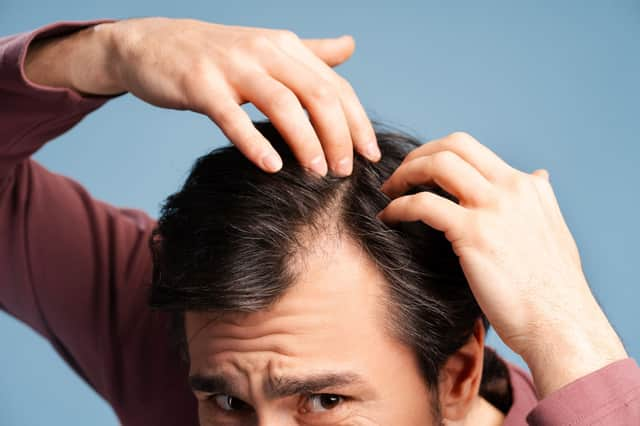
What should you expect from the procedure and recovery?
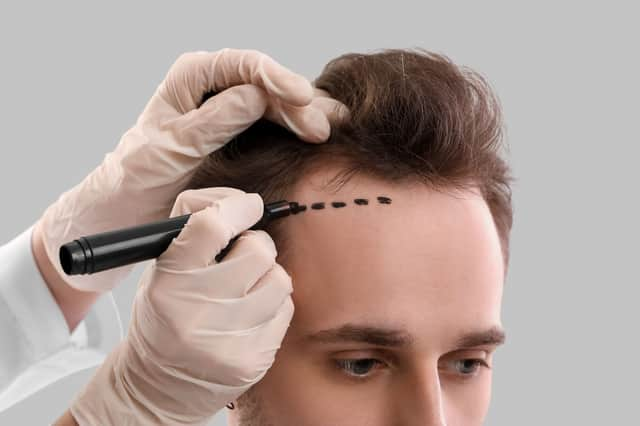
Understanding the process helps manage expectations for a successful outcome. The journey typically begins with a detailed consultation to assess your hair loss and design a personalised plan. The procedure itself is performed under local anaesthesia and is generally comfortable. Post-procedure, a dedicated recovery and follow-up plan is crucial for success.
You can expect:
Initial recovery: Mild redness and swelling for a few days.
"Shock loss": The newly transplanted hairs may fall out after a few weeks. This is a normal and temporary phase.
New growth: New, permanent hair will begin to grow within 3-4 months.
Final results: The full, mature results are typically visible after 12 to 18 months.
Comprehensive post-operative follow-up, including professional washes and treatments like PRP offered by clinics such as Capilclinic, is vital to support healing and stimulate robust growth. With demand for this procedure growing to over 1.3 million interventions annually according to a 2024 Statista report, the quality of aftercare has become a key differentiator for top-tier clinics.
How do you choose the right clinic for a permanent result?
Choosing the right clinic is the single most important factor for a successful, permanent hair transplant. With hubs like Istanbul being highly competitive, you must look beyond price and evaluate the quality of care. A reputable clinic should offer transparency, proven results, and a patient-centric approach.
Capilclinic includes everything from airport transfers and 4-star accommodation to a dedicated translator and a full suite of post-operative care.
Capilclinic's Approach
Advanced Sapphire FUE; proprietary Min Time FUE
Direct surgeon involvement in key stages
A structured follow-up, PRP, and professional washes included
Transparent, all-inclusive package for a stress-free experience
Patient Testimonials for Capilclinic
"Very satisfied with the organization beforehand, once there everything went very well, high-end hotel and very welcoming staff. Very clean clinic. The anesthesia is painful but it's worth it: It's been 5 months now and I am very satisfied with the result of my hair transplant, I recommend Capilclinic." (Certified Google Review published on October 18, 2025)
"Great welcome, professional and caring, I am happy with the result." (Certified Google Review published on October 13, 2025)
"I chose CapilClinic for my hair transplant and I am very satisfied with the entire process. The team was professional from the first contact, with clear explanations of the technique and expected results. What particularly impressed me was the quality of the post-operative follow-up. Not only did I receive immediate support at the clinic (washing, checking the areas, precise advice), but the remote follow-up was also exemplary: quick responses, constant availability, and personalized instructions for each stage of healing." (Certified Google Review published on October 1, 2025)
Your Hair Transplant Questions Answered
Is a hair transplant procedure painful?
The procedure is performed under local anaesthesia, so you should feel minimal to no pain. Any discomfort in the days following can be managed with standard pain relief medication.
Are the results of a hair transplant natural-looking?
Yes. Modern techniques like FUE and DHI allow surgeons to place each hair follicle at the correct angle and density to mimic your natural hair growth pattern, resulting in an undetectable and natural-looking hairline.
When will I see the final results of my hair transplant?
Patience is key. You will start to see noticeable new growth from around 3-4 months, with the hair gradually thickening over time. The final, dense result is typically visible at the 12 to 18-month mark.
In conclusion, a hair transplant is indeed a permanent and highly effective solution for hair loss, provided it is performed using advanced techniques by an experienced medical team. The longevity of the results comes from transplanting your own DHT-resistant hair, while the effectiveness and natural appearance depend on the skill of the surgeon and the quality of the clinic.
By focusing on clinics that offer proven expertise, technological innovation, and comprehensive care, such as Capilclinic, you can confidently invest in a lasting solution to restore both your hair and your confidence.