
‘Prolonged dry weather’ warning in Wales as public urged ‘use water wisely’ - areas affected

Members of the public are being urged to “use water wisely” as river and groundwater flows are “exceptionally low”
Wales has been moved to an official “prolonged dry weather” warning status due to minimal rainfall in recent weeks.
The lack of rain has sparked concerns over “low river and groundwater levels, as well as drying up of soils.”
Natural Resources Wales (NRW) placed the country to “prolonged dry weather” status because rainfall has been lower than expected for a sustained period of time, leading to river flows across being very low for the time of year despite recent thunderstorms.
NRW said groundwater levels have been receding, with some sites exceptionally low and soils drier than expected, and there have been reports of fish in distress causing some to become trapped due to low flows and higher river temperatures.
NRW is concerned for species in other protected sites such as fens, peatlands, heath and grasslands which are home to many species.
Forecasters have said the weather will be a lot more "changeable" this week as a cold front brings rain for most and a westerly breeze making it feel fresher.
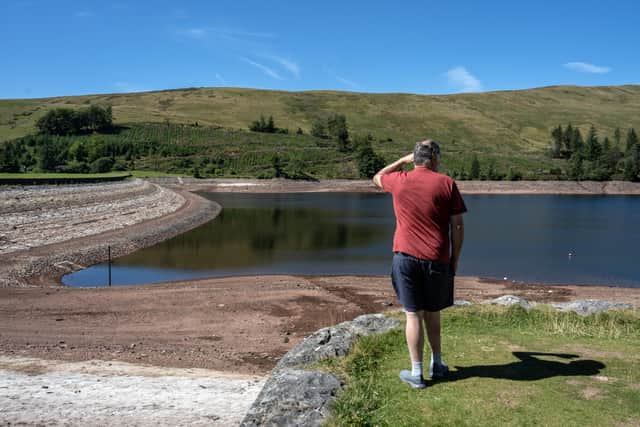

The Met Office forecast for Wales says conditions will become "more unsettled" after Monday (26 June). But despite the forecast of rain and colder weather, NRW is still concerned about the impacts the prolonged hot and dry spell will have on the Welsh “ecosystems and habitats, land management and agricultural sector.”
Its decision to declare a prolonged dry weather status was shared with the Wales Drought Liaison Group on Monday (26 June). The agency explained that "prolonged dry weather" is a natural event which has "become more likely as climate change accelerates" and can impact crop and grass growth.
Which areas of Wales are affected?
Listed are the areas that have changed to “prolonged dry weather” status:
- Dee
- Upper Severn
- North Gwynedd (Conwy, Anglesey, Arfon, Dwyfor)
- South Gwynedd (Meirionydd)
- North Ceredigion (Rheidol, Aeron, Ystwyth)
- Teifi
- Pembrokeshire (E & W Cleddau)
- Carmarthen (Tywi, Taf)
- Swansea & Llanelli (Taw and Loughor)
- Neath Port Talbot & Bridgend (Neath, Afan and Ogmore)
- Wye (Wales)
- Usk
- Valleys (Taff, Ebbw, Rhymney, Ely)
- Vale of Glamorgan (Thaw)
Natalie Hall, Sustainable Water Manager at NRW said: "We have taken the decision to move the whole of Wales into prolonged dry weather status.
“For us, this means stepping up our actions and monitoring across Wales to help mitigate the impacts on the environment, land, water users and people, and responding to environmental incidents.”
She added that drought teams will “meet regularly to review the status and work closely with our partners to ensure we take appropriate action to reduce impacts on the environment and other water users across Wales.”
NRW is urging the public and businesses to “use water wisely” and “manage this precious resource.”
It comes after Wales experiences its second driest May in the last 25 years - with May 2020 being the driest. As of Monday 19 June the country has seen 32% of its long term average for June rainfall so far.