
Flamingo Land: Plans to build £40m holiday park on banks of Loch Lomond rejected by Scottish government after years of bitter debate

Controversial plans to build a £40m holiday park on the banks of Loch Lomond have been rejected after years of bitter debate.
The Scottish government rejected the plans and said its decision was due to "flood risk, woodland loss and wider policy conflicts". There has been years of often bitter debate between theme park operator Flamingo Land and people living in the area who campaigned against the plan to build a waterpark, monorail, hotel and restaurants.
Loch Lomond and the Trossachs Park Authority initially rejected the plan in September 2024, only for the Scottish government to overturn that decision after an appeal. However, it then recalled the plans due to the impact on the local area.
Lomond Banks, the company behind the proposals, said the rejection "flew in the face" of its plans for "regeneration and long-term economic benefits to one of Scotland's most disadvantaged communities". The decision to reject the development goes against the recommendation of the government's own adviser, who said it should be approved.
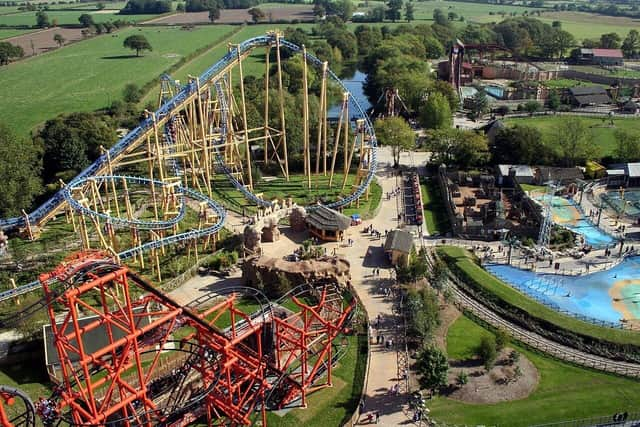

Ministers said that although they accepted his findings, they reached a different conclusion regarding the possible risks in the development, particularly regarding flooding and the loss of historic woodland in the area. The report says it was "a finely balanced decision" and that allowing the resort would bring economic benefits to the area.
However, it says the "significant concerns relating to flood risk and woodland loss are of such importance that, when taken together with the other development plan conflicts identified, the proposed development does not comply with the development plan overall". The other conflicts raised in the report include ministers believing that the plan would clash with the "ongoing aim of conserving and enhancing the natural and cultural heritage of the area".
Scottish Greens co-leader Ross Greer, a vocal opponent of the development, called the decision "a huge victory for the local community".