
Which countries have boycotted Eurovision 2026? Reason for boycott explained amid Israel row - why are countries withdrawing?

Another country has pulled out of Eurovision 2026 as the contest descends into chaos amid a political controversy.
Iceland has confirmed that it will no longer be participating in the 2026 edition of the Eurovision Song Contest amid a row over Israel’s participation in the competition.
Iceland’s withdrawal comes after a number of countries confirmed that they would be boycotting next year’s contest as tensions within the European Broadcasting Union (EBU) continue to boils over.
Here’s everything you need to know about the situation so far.
Which countries have boycotted Eurovision 2026 so far?
As of the time of writing, a total of five countries have boycotted their participation in Eurovision 2026. These countries are:
- Spain
- Ireland
- The Netherlands
- Slovenia
- Iceland
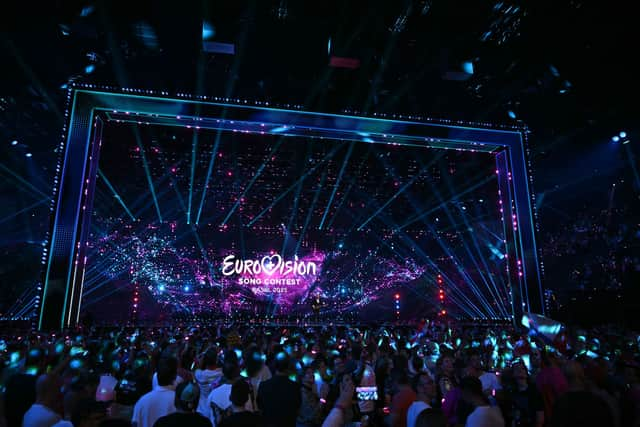

Spain, Ireland, The Netherlands, and Slovenia all announced their withdrawal from the competition following an EBU general assembly summit in Geneva on December 4. Iceland confirmed their withdrawal on December 10, after stating that a decision would be made following a meeting held by national broadcaster RUV.
Other countries have been rumoured to be considering a boycott but only five have confirmed their withdrawal at the time of writing. While other countries have confirmed their participation, other factor may make their selection process difficult.
Around 11 out of the 16 acts set to take part in Portugal’s song selection contest, Festival da Canção, have agreed that they will refuse to participate in Eurovision if they are chosen to represent the country. Portugal’s national broadcaster RTP said: “Regardless of the decision of the artists who subscribe to the statement, RTP will once again organise Festival da Canção and reaffirms its participation at the Eurovision Song Contest 2026.”
Why are countries boycotting Eurovision 2026?
The main factor for the boycott of Eurovision 2026 is a row within the EBU concerning Israel’s participation. The country’s participation in the contest has become increasingly controversial over the past few years, with some EBU member broadcasters arguing that Israel’s conduct in the war on Gaza should warrant its removal from the contest.
The United Nations has said that Israel is committing a genocide in Gaza. Israel has denied this.
Some EBU members have argued that the swift action from organisers to ban Russia from the competition following the invasion of Ukraine in 2022 should also have been applied against Israel due to the country’s conduct in Gaza.
There were also concerns over Israel’s voting campaign during Eurovision 2025. Many countries raised concerns after Israel topped the public vote in the most recent edition of the contest, only being pipped to the post by Austria when the jury votes were also tallied.
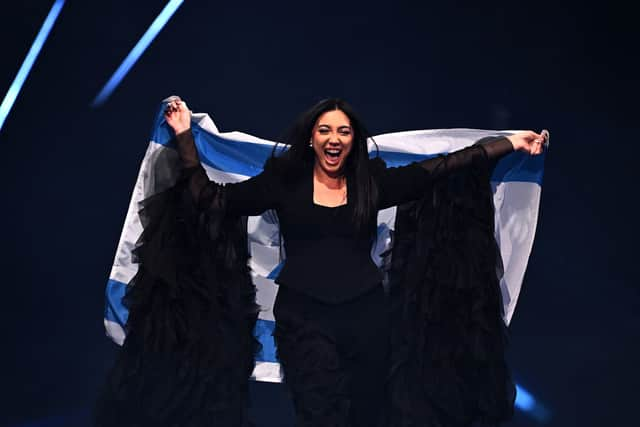
It came after an Israeli government agency reportedly went on a marketing blitz, paying for adverts on social media sites urging people to vote for Yuval Raphael, the 2025 Israeli entrant, the maximum number of times. Government social media accounts were also used to promote the voting campaign.
The EBU said that it would hold a vote for members asking if they would agree to voting reforms for the contest that would . The EBU also said that it would hold a vote on Israel’s participation, but this would only go ahead if the decision to accept voting reforms were rejected. In the end, the voting reforms motion passed and no vote was held on Israel’s participation.
Following the general assembly summit, where the vote took place, Irish broadcaster RTE said: “RTE feels that Ireland’s participation remains unconscionable given the appalling loss of lives in Gaza and the humanitarian crisis there which continues to put the lives of so many civilians at risk. RTE remains deeply concerned by the targeted killing of journalists in Gaza during the conflict and the continued denial of access to international journalists to the territory.”
Dutch broadcaster Avrotros said in a statement: “Universal values like humanity and a free press have been seriously violated and are non-negotiable for us. Furthermore, last year’s political interference demonstrated that the independence and unifying nature of the Eurovision Song Contest can no longer be taken for granted. We choose the core values of Avrotros and, as a public broadcaster, have the responsibility to remain true to these values, even when that is complicated or vulnerable.”
RTV, Slovenia’s national broadcaster, said: “Our journalists were not and still are not allowed to enter Gaza, where more than 200 journalists were killed. Last year we saw that the Israeli performance was political. Don’t forget that we banned a similar performance by a Russian singer in Ukraine. Our message is: we will not participate in the ESC if Israel is there. On behalf of the 20,000 children who died in Gaza.”
Spanish broadcaster RTVE, who is one of the biggest financial contributors to the EBU, added that the broadcaster’s calls for a secret ballot on Israel’s participation was “denied”. The national broadcaster explained: “This decision increases RTVE's distrust of the festival's organisation and confirms the political pressure surrounding it.”
Iceland’s withdrawal came in the days following, with Stefan Eriksson, director-general of national broadcaster RUV, saying in a statement: “There is no peace or joy connected to this contest as things stand now. On that basis, first and foremost, we are stepping back while the situation is as it is.”
Martin Green, director of the Eurovision Song Contest said: “We respect the decision of all broadcasters who have chosen not to participate in next year’s Eurovision Song Contest and hope to welcome them back soon.”