
Under-17 Women's World Cup: Colombian journalist Marcela Monsalve detained by authorities in Morocco
Colombian journalist Marcela Monsalve was detained by police in Morocco while covering the Under-17 Women’s World Cup amid growing criticism of Fifa’s decision to host the tournament in a country accused of restricting press freedom and cracking down on dissent.
The incident took place in Rabat, Morocco, where Monsalve was working as a special correspondent for Blu Radio and Gol Caracol during the youth tournament. It was reported by Blog Deportivo on October 17.
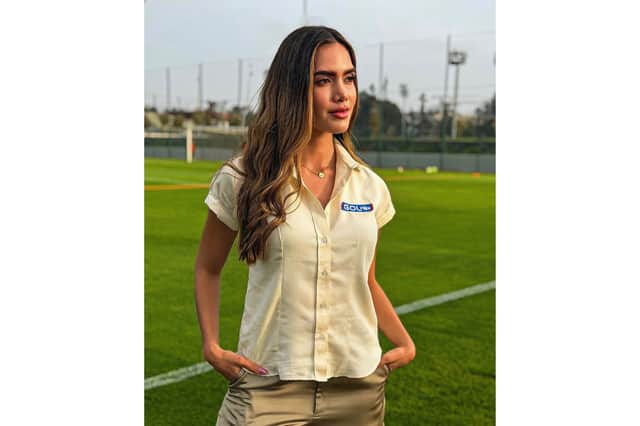

Monsalve said she and her cameraman were stopped by police while filming in a public area despite showing Fifa-issued credentials, and both were held for about an hour before being released.
She explained that her problems began upon arrival in Morocco, when authorities confiscated her camera under what they called “internal policies”, leaving her to report with her phone instead.
Monsalve told Blog Deportivo: “We’re already on our fifth day without a camera. We’re doing mobile reporting, all with cell phones. The authorities here are very demanding and strict. They gave us a few scares at the entrance to Rabat and held our camera due to internal policies."
The journalist added that local authorities have restricted international media from travelling outside official sports venues, limiting their movements to stadiums, training centres and tournament sites.
The detention has since fuelled widespread criticism of Fifa for staging the Under-17 Women’s World Cup in Morocco despite its record on media restrictions and human rights.
Analysts and activists have likened the controversy to earlier debates over Fifa’s hosting choices in Qatar and other countries with limited press freedom and also protests in the country at spending on hosting the event.
Commentator 'FaytuksNetwork' posted on X on October 2 that “Morocco has seen five straight nights of youth-led ‘Gen Z’ protests over corruption and poor public services… anger is fuelled by billions spent on World Cup prep while schools and hospitals crumble.”
There have reportedly been multiple arrests during rallies in which protesters chanted “We don’t want the World Cup. We want health care first.”
Other demonstrators reportedly said: “We don’t eat stadia. Stadia don’t treat the sick. Stadia are here, but where are the hospitals?” in reference to public frustration at spending on sports infrastructure.
International outlets have echoed these concerns. The Athletic reported on October 6 that “demonstrations have been fuelled by growing anger over heavy spending on preparations for FIFA’s 2030 men’s World Cup, rather than on public services”.
Rights groups have also questioned Morocco’s suitability as a host. The Advocates for Human Rights noted in a report that “Moroccan criminal law discriminates against women and does not guarantee a safe environment for all World Cup attendees regardless of gender.”
Monsalve’s detention has become a focal point for critics who argue that FIFA has ignored these longstanding warnings.
Despite the obstacles, Monsalve said she remains committed to her reporting duties for Blu Radio and Gol Caracol.
“It has been difficult, but we continue moving forward. We are committed to bringing the country every detail about our players in this World Cup,” she said.
The U-17 Women’s World Cup is the first of its kind to be hosted in Africa and features 24 national teams.
Story: NewsX