
Soho travel guide: where to stay, eat and visit in London's coolest neighbourhood

Soho’s rich history and culture makes it one of the capital’s most exciting neighbourhoods. Ralph Blackburn explores its narrow alleyways, rich restaurant scene and glittering galleries.
Soho, London’s vibrant and exciting central London neighbourhood, can be a bit of a dichotomy.
On the face of it, with its restaurants, bars and LGBTQ scene, it can appear brash and in your face.
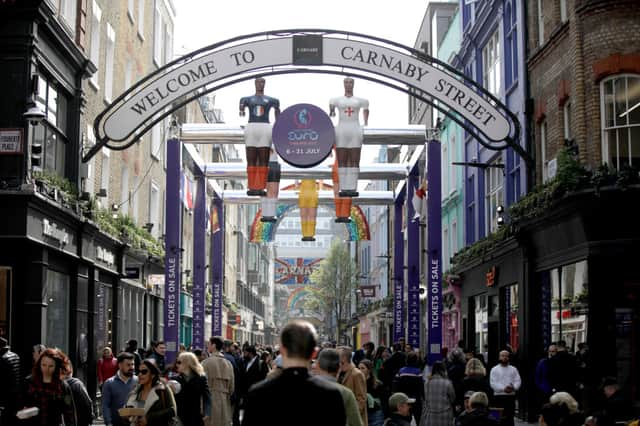
Crowds spill out of pubs and onto the street, while shoppers cram along Carnaby Streets for the high-end brands.
But just as many of Soho’s highlights are hidden away, behind unmarked doors or down narrow alleys.
Keep an eye out for people filing into inauspicious premises, and you may wish to follow them.
Visitors may come dozens of times, but still miss some gems that are quite literally hidden.
These bunched streets and thronging crowds make total sense with Soho’s history.
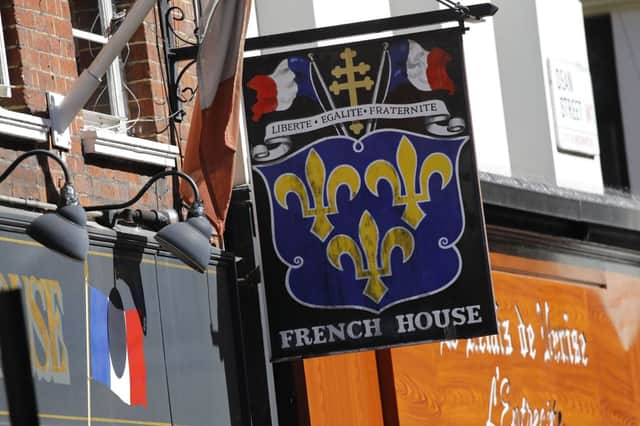

Initially farmland belonging to Henry VIII, it became known as London’s “French Quarter” as it was settled by Huguenots from 1680.
In the 18th century, historian William Maitland wrote that Soho is "so greatly abound with French that [it] is an easy matter for a stranger to imagine himself in France”.
It remained a haven for people, no matter their sexuality or ethnicity.
You can still find the French influence at the iconic pub The French House, in Dean Street, which was ironically founded by a German, Christian Schmitt, in 1891, as the York Minster.
At the outbreak of the First World War, he sold it to a Belgian - and it became affectionately known as the “French pub”.
It is said that Charles de Gaulle wrote his famous Second World War rallying cry "À tous les Français" at the bar.
You will find punters spilling out onto the street, drinking half pints (no pints sold here).
But with - no sign or fanfare - head up the stairs for one of the best restaurants in the city.
Our hotel, like the restaurant at the French House or many of Soho’s bars, has no sign or indication of the luxuries inside from Broadwick Street, it’s for those in the know.
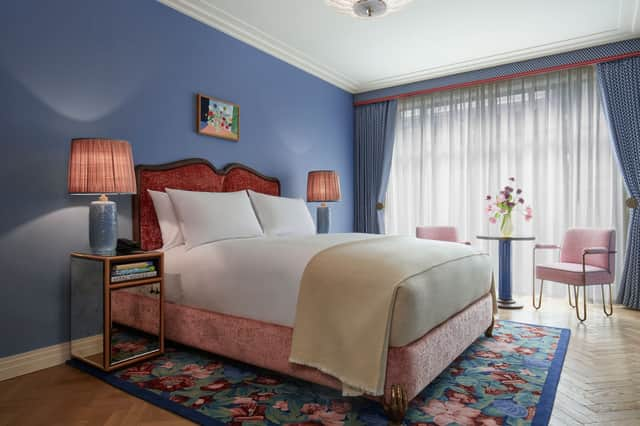
Broadwick Soho is an independent 57-room hotel built into a historic townhouse, which somehow has the feel of a family home and an art gallery at the same time.
It opened at the end of 2023, but has already been awarded a Michelin key - the equivalent of a star - as a “very special stay”.
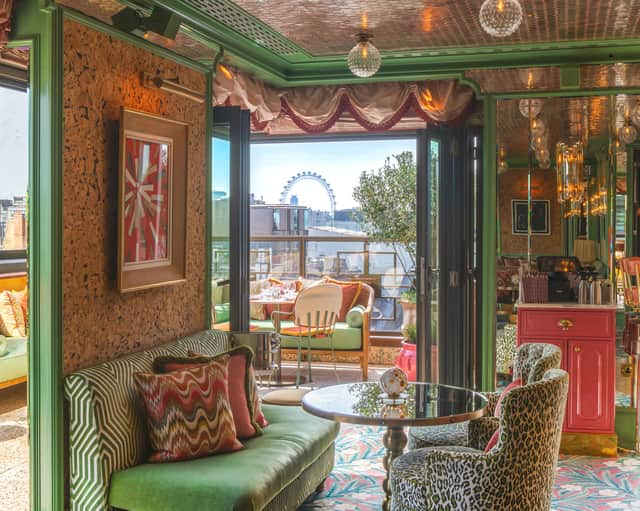
The staff welcome you like an old friend, but my eyes can’t help but be drawn to some of the paintings that adorn the walls, curated by world-renowned interior designer Martin Brudnizki.
These include two by Francis Bacon, including his Second Version, Triptych 1944 and Study for a Portrait of a Pope Innocent, based on Diego Velazquez’s masterpiece.
This is one of those hotels that does all the little things right - fresh milk in the fridge, umbrellas in the cupboard in case of rain and soft bedsheets and bathroom robes.
And given the delights of Soho are just outside, with its vibey bars and restaurant Broadwick does provide everything you could want for a long weekend.
There’s a special button on the lift which leads you to the rooftop bar Flute.
In the summer, you get great views of the London skyline, while in colder months, the cocktails can be enjoyed amongst the classy decor.
If you are visiting over the summer, Flute is running a collaboration with the boutique El Fenn hotel in Marrakech, with the bar transformed with Moroccan flavours, colours and sound.
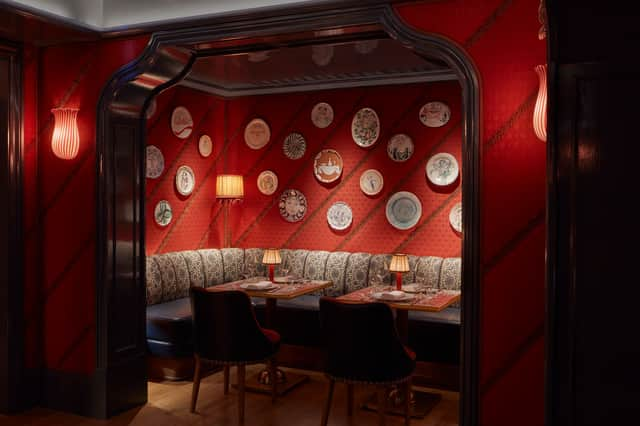
For dinner, head down a dimly-lit secretive staircase to the Italian-inspired restaurant Dear Jackie.
The atmospheric decor is exactly what you want for a candlelit romantic dinner in Soho, with walls adorned with plates and art.
For my starter, I couldn’t help but order the scallop with Champagne sauce, which has been on the menu since the restaurant opened.
It’s perfectly seared, yet juicy on the inside, and the luxurious sauce makes it one of the best seafood dishes I’ve eaten.
The aged Hereford côte de boeuf is an excellent sharer, and make sure you save space for the brown butter cake with orange curd, poached rhubarb and crème fraîche.
If you’re heading to a show nearby, the restaurant also does a pre-theatre set menu.
After a great night’s sleep in our turned-up bed, breakfast is served in Bar Jackie and I somehow have space for some fluffy American pancakes and an excellent Flat White.
In Soho, options can feel overwhelming, but inspired by Broadwick’s art collection, we head down towards Piccadilly Circus to the Royal Academy of Arts.
The RA is such an atmospheric and historic building, it’s great just to stop in for a coffee, but we head into the Rose Wylie exhibition (tickets from £21).
Wylie, an English artist, uses photos and newspaper cuttings to inspire pop arty, slightly abstract paintings mainly of women.
If you miss it, the RA has some brilliant other exhibitions coming up, including later in the year on Peggy Guggenheim.
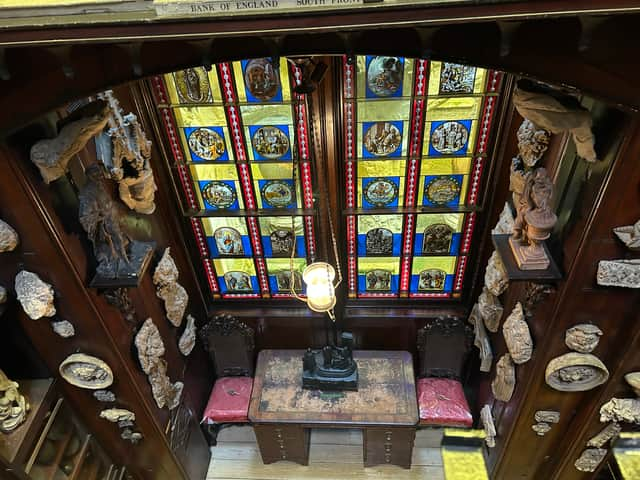
For some free, but no less spectacular art, if you head to the east of Soho, you can queue up for free to see Sir John Soane’s museum.
Make sure you get down relatively early and grab a coffee for the queue, but the astonishing art and design is well worth the wait.
Sir John was the premiere architect of his time, designing the Bank of England and the Dulwich Picture Gallery.
His museum has many of his drawings and architectural models, including his proposed redesign of the Houses of Parliament, as well as an incredible collection of paintings, sculptures, drawings and antiquities.
This includes the Sarcophagus of Seti I, covered in Egyptian hieroglyphs and found in the Valley of the Kings, and William Hogarth’s iconic “the Rake’s Progress”, although you need to pay for a tour to see the latter.
The museum, with its incredible collection of art hidden inside the townhouse, sums up the kinds of secrets that can be found as you wander these streets.
Ralph Blackburn was the guest of Broadwick Soho, 20 Broadwick St, London, an independent hotel with 57 rooms in the heart of the theatre district. Rates are from £525 per night with breakfast included.