
30 British surnames that reveal what your ancestors may have done for a living


This article contains affiliate links. We may earn a small commission on items purchased through this article, but that does not affect our editorial judgement.
From Fletcher and Cooper to Webster, Tanner and Smith, these familiar British surnames began as occupations and could offer a clue to how your ancestors once earned a living.
Your surname could be carrying a clue about how one of your ancestors earned a living hundreds of years ago.
Long before job titles appeared on LinkedIn profiles or CVs, occupations helped distinguish one person from another. A John who made barrels might become John Cooper, while someone who made arrows could be known as a Fletcher, and those descriptions eventually became hereditary surnames.
For anyone curious about where their own family story leads, MyHeritage DNA kits are currently £19.90, excluding shipping. The test can help explore genetic origins and identify DNA matches who may share branches of your family tree.
Of course, carrying an occupational surname does not mean your grandfather, great-grandfather or even a traceable ancestor necessarily did that job. Surnames have travelled, changed spelling and been passed down for centuries, while some also have more than one possible origin.

But many familiar British names began with surprisingly specific jobs.
Here are 30 surnames that could have started with what somebody did for a living.
1. Fletcher
A Fletcher made or sold arrows, making this one of Britain's most evocative occupational surnames.
The word came into English through Old French after the Norman Conquest. When bows and arrows were crucial for hunting and warfare, a skilled fletcher had an important trade.
2. Bowyer
The person making the bow rather than the arrows could become known as a Bowyer.
It was another specialist medieval craft, requiring the ability to select and shape wood into a weapon capable of surviving considerable strain.
3. Cooper
A Cooper made and repaired wooden barrels, casks, tubs and similar containers.
Before bottles, tins and plastic packaging, barrels were essential for storing and transporting everything from beer and wine to food and other goods. It was such an important skilled trade that Cooper became a widespread surname.
4. Chandler
Chandler sounds quite modern, but its occupational origins go back centuries.

A chandler originally made or sold candles, an essential product in an age before electric lighting. The term later broadened into trades such as ship chandlers, but the surname is much older.
5. Webster
Webster once meant a weaver.
The word comes from an old term for somebody who wove cloth, and was originally associated particularly with female weavers before the distinction disappeared. Today, the old occupation survives much more visibly as a surname than as a job title.
6. Baxter
Baxter is another name whose original meaning is easily missed.
It comes from an old word for a baker and, like Webster, developed from a form that was once particularly associated with women doing the job.
7. Walker
Your Walker ancestors were not necessarily famous for going long distances.
In medieval Britain, a walker could be somebody involved in "fulling" cloth, repeatedly treading or working newly woven material in liquid to clean, thicken and strengthen it. The surname became especially associated with northern and western England and Scotland.
8. Fuller
Fuller refers to essentially the same textile process.
A fuller cleaned and thickened cloth after weaving, using techniques that could involve water, clay and repeated beating or trampling. Different parts of Britain favoured different words for the occupation, helping produce surnames including Fuller, Walker and Tucker.
MyHeritage DNA kits are currently available for £19.90, which could make an unusual Christmas present for somebody who has always wanted to investigate where different branches of their family came from.
9. Mercer
A Mercer was a merchant, but usually not just any merchant.
In medieval England the term became particularly associated with traders dealing in textiles, including expensive materials such as silk, satin and velvet.
10. Collier
Collier has more than one intriguing occupational meaning.
Across much of England it could refer to somebody who made or sold charcoal. In coal-producing areas, however, it could also become associated with people mining or selling coal.
11. Chapman
Anyone called Chapman could be carrying the remains of a medieval shopping connection.
A chapman was a merchant, dealer or travelling trader who bought and sold goods. The old word has largely disappeared from everyday speech but survives in the surname.
12. Spencer
Spencer did not begin as a first name.
The surname developed from the job of a dispenser or steward responsible for provisions in a wealthy household. It was a position of responsibility in an age when running a large estate involved storing and controlling substantial supplies of food and goods.
13. Faulkner or Falconer
A Falconer trained and cared for falcons used for hunting.
Falconry was particularly associated with wealthy households and royal courts, making this a more specialised occupation than many of the everyday trades that created surnames.
14. Wright
Wright is much broader than one particular trade.
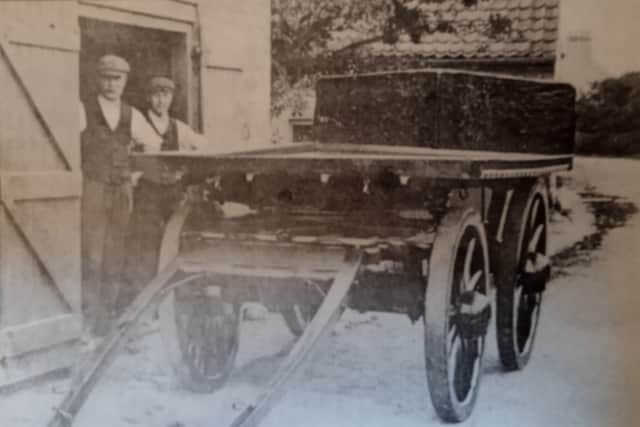
The word essentially meant a skilled maker or craftsman, which is why it survives inside more specific job names such as wheelwright, shipwright and cartwright.
15. Cartwright
A Cartwright did exactly what the name suggests once its two parts are separated.
The job involved making and repairing carts, requiring specialist woodworking skills in a society heavily dependent on horses and wheeled transport.
16. Turner
Turner often described a craftsman who shaped wood, bone, metal or other materials on a lathe.
That could mean producing bowls, handles, furniture components and numerous other objects. The word has had other historical meanings too, so individual family origins can vary.
17. Sawyer
A Sawyer earned a living sawing timber.
Before powered sawmills transformed the trade, converting large logs into usable planks could be gruelling manual work undertaken by pairs of workers using long saws.
18. Tanner
Tanners turned animal hides into leather.
It was an essential trade because leather was needed for shoes, belts, harnesses, containers and many other everyday objects, although the tanning process itself could be dirty and notoriously unpleasant.
Curiosity about an old surname can sometimes be the first step into a much larger family story. MyHeritage DNA testing is currently on offer for £19.90 and can help users explore their genetic origins and find people with whom they share DNA.
19. Thatcher
A Thatcher covered roofs using bundles of materials such as straw or reeds.
Thatched buildings were once commonplace across Britain, meaning skilled roofers were needed in communities across the country.
20. Mason
Mason developed from the trade of working and building with stone.
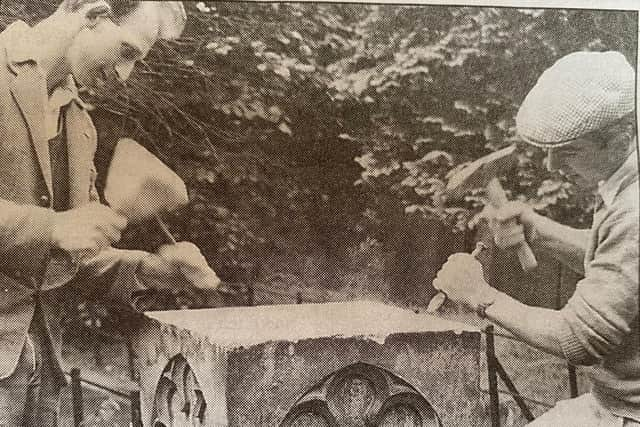
Skilled stonemasons were particularly important in the construction of churches, castles, bridges and substantial houses, and their expertise could take them from one major building project to another.
21. Potter
Potter is another surname whose occupational beginnings remain obvious today.
A potter made vessels and other objects from clay, providing households with the bowls, jugs, pots and storage containers needed for daily life.
22. Carter
A Carter transported goods using a cart.
Before railways, lorries and vans, carts were vital for moving produce, building materials and merchandise between farms, villages and markets.
23. Miller
A Miller operated or worked at a mill, most commonly processing grain into flour.
Mills were central to communities for centuries, and the person controlling one could occupy an important position in local economic life.
24. Shepherd
Shepherd is among the easiest occupational surnames to decode.
It described somebody employed to look after sheep, an important job in a country where wool became one of the great foundations of medieval trade and wealth.
25. Fisher
Fisher generally referred to somebody who caught fish for a living.
For families living near Britain's coasts, rivers and lakes, fishing could provide both food and an important source of income.
26. Archer
Archer could describe somebody skilled in using a bow.
Archers played an important role in medieval warfare, while bows were also used for hunting. Like many surnames, however, Archer can have different origins in individual family lines.
27. Barber
Barber originally described someone who cut or dressed hair and beards.
The historical trade could extend far beyond the modern haircut. Barber-surgeons in medieval and early modern Europe also carried out procedures including bloodletting and tooth extraction, although not every family bearing the surname necessarily descends from someone performing those wider duties.
28. Taylor
Taylor, also commonly spelled Tailor as an occupation, referred to somebody who made or altered clothes.
The surname came into English from a French word associated with cutting, reflecting one of the central skills involved in making garments.
29. Baker
There is little mystery surrounding Baker.
Professional bakers produced bread and other baked goods, and the widespread importance of the trade helped make Baker a familiar surname that has survived for centuries.
30. Smith
Perhaps the most famous occupational surname of them all, Smith originally described somebody who worked with metal, particularly a blacksmith.
Smiths produced and repaired vital objects including tools, horseshoes, agricultural equipment and weapons. Metalworking required specialist skills, helping variants of the name become common not only in Britain but in many other European languages.
Does your surname prove what your ancestors did?
Not necessarily. An occupational surname may have become hereditary many centuries ago, meaning generations of Smiths could have lived without a single blacksmith among them.
There can also be alternative origins, spelling changes and completely unrelated families carrying the same name. Genealogy works best when surname clues are combined with evidence such as census records, parish registers, certificates, old addresses and family documents.
DNA testing provides another potential source of information. MyHeritage DNA kits are currently £19.90, excluding shipping, and the service can identify genetic origins and DNA matches who may help uncover previously unknown branches of a family.
That could also make a DNA kit an unusual Christmas present for the relative who is forever asking where the family came from. A surname might reveal the occupation that helped give a family its name, but following the generations that came afterwards is where the larger story begins.