
Atlantic magazine: Full Signal chat exposes Trump officials’ real-time Houthi war strike details in chat group

Shocking new revelations have emerged about a group Signal chat used by senior Trump administration officials, after The Atlantic published the full, unredacted transcript of the messages.
The decision came after multiple officials, including President Donald Trump, downplayed the significance of the content, despite the inclusion of real-time military strike details that experts warn could have endangered U.S. personnel.
At the heart of the controversy is a group chat called the “Houthi PC small group,” which included Defense Secretary Pete Hegseth, CIA Director John Ratcliffe, Director of National Intelligence Tulsi Gabbard, and other senior national security officials. Atlantic editor-in-chief Jeffrey Goldberg was inadvertently added to the chat by National Security Adviser Michael Waltz.
According to Goldberg, the messages revealed that the group shared exact strike times, target information, and launch windows for airstrikes on Yemen earlier this month, well before those operations took place.
“At 11:44 a.m. eastern time, Hegseth posted in the chat, in all caps, ‘TEAM UPDATE,’” wrote Goldberg in The Atlantic.
“TIME NOW (1144et): Weather is FAVORABLE. Just CONFIRMED w/CENTCOM we are a GO for mission launch. 1215et: F-18s LAUNCH (1st strike package) 1345: ‘Trigger Based’ F-18 1st Strike Window Starts (Target Terrorist is @ his Known Location... also, Strike Drones Launch (MQ-9s)) 1410: More F-18s LAUNCH (2nd strike package) 1415: Strike Drones on Target (THIS IS WHEN THE FIRST BOMBS WILL DEFINITELY DROP...) 1536 F-18 2nd Strike Starts – also, first sea-based Tomahawks launched.”
“We are currently clean on OPSEC. Godspeed to our Warriors.”
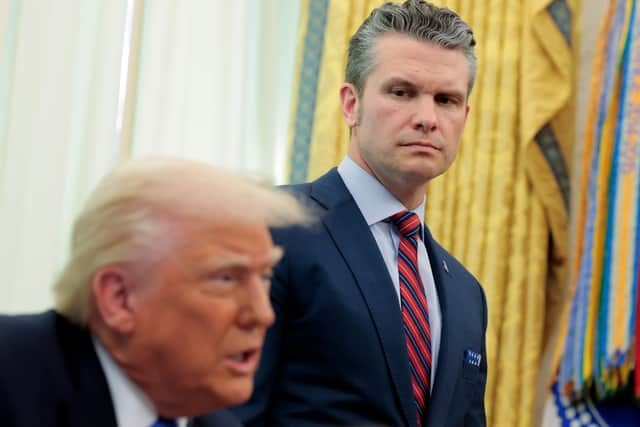

These texts were sent before the aircraft had taken off, raising serious operational security concerns. According to Goldberg: “This Signal message shows that the US secretary of defense texted a group that included a phone number unknown to him - mine - at 11:44 a.m. This was 31 minutes before the first US warplanes launched... If this text had been received by someone hostile to American interests... the consequences for American pilots could have been catastrophic.”
In testimony before the Senate Intelligence Committee on Tuesday, both Gabbard and Ratcliffe said no classified information was shared in the chat but admitted it was up to Hegseth to determine what qualifies as classified. “There was no classified material that was shared in that Signal group,” Gabbard said, according to BBC Sky at Night Magazine.
Ratcliffe added: “My communications, to be clear, in the Signal message group were entirely permissible and lawful and did not include classified information.”
However, the messages were detailed enough to include precise strike times, locations, and even real-time updates after impacts. At one point, National Security Adviser Waltz texted: “The first target – their top missile guy – we had positive ID of him walking into his girlfriend’s building and it’s now collapsed.”
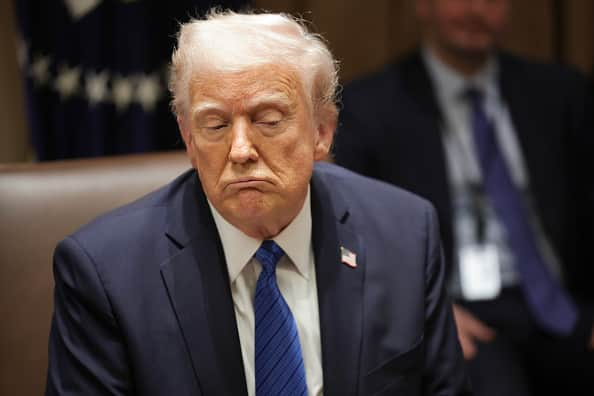
The incident has prompted concerns among intelligence and defecse experts, who say such operational details would typically be held in the strictest confidence.
PA News said the Signal chat messages contain the kind of military intelligence “that is kept to a very close hold to protect the operational security of a military strike.”
President Trump told reporters: “It wasn’t classified information.” Hegseth, who is currently travelling in the Indo-Pacific, dismissed questions from the media and has only said, “Nobody was texting war plans. And that’s all I have to say about that.”
On Monday, Goldberg said The Atlantic had initially withheld details for safety reasons but chose to release the messages after top officials claimed no classified information was shared.
“There is a clear public interest in disclosing the sort of information that Trump advisers included in nonsecure communications channels,” Goldberg said. “Especially because senior administration figures are attempting to downplay the significance of the messages that were shared.”
Before publishing, The Atlantic sought comment from the White House, CIA, Defense Department, and other agencies. Late Tuesday, White House Press Secretary Karoline Leavitt responded: “There was no classified information transmitted in the group chat. However… we object to the release. This was intended to be an internal and private deliberation amongst high-level senior staff and sensitive information was discussed.”
The CIA also asked the magazine not to publish the name of Ratcliffe’s chief of staff, which was included in the chat. The Atlantic complied and redacted that name, but published the rest of the chat unedited.