
AI bots generated 90,000 fake responses to Government smoking and vaping consultation


Researchers found 76% of submissions to a consultation on tobacco and vaping restrictions were flagged as fraudulent, with most opposing disposable vape controlsAI bots generated more than 90,000 responses to Government smoking and vaping consultation, study finds
More than 90,000 responses to a Government consultation on smoking and vaping restrictions were identified as fraudulent, with researchers finding that artificial intelligence bots had generated more than three quarters of all submissions.
The study found that the automated responses were overwhelmingly aimed at opposing plans to restrict disposable vapes, raising concerns about attempts to influence public health policy through mass submissions.
Researchers from the University of Edinburgh analysed consultation reports and information obtained through Freedom of Information requests to the Department of Health and Social Care (DHSC).
Their findings, published in the journal Tobacco Control, revealed that 118,756 responses had been submitted to the consultation, which was launched in October 2023 before the Government's tobacco and vaping legislation became law.
However, the DHSC identified 76% of submissions – more than 90,000 – as fraudulent using bot-detection methods.
Almost all the suspected automated responses opposed proposals to restrict disposable vape sales in multiple-choice questions. The same proportion also indicated that respondents had learned about the consultation through social media.
Once the fraudulent submissions were removed, 79.6% of valid responses supported the plans relating to disposable vapes.
The researchers described the findings as what appeared to be the first documented instance of large-scale automated interference in a formal public health consultation.
They said the scale and consistency of the responses suggested a co-ordinated campaign, drawing comparisons with previous efforts to influence public consultations on behalf of the tobacco industry.
However, the researchers stressed that they could not establish the commercial origins of the suspected campaign.
They noted that international tobacco companies had previously sought to influence consultations through mass recruitment drives and large numbers of supportive postcard submissions.
The findings have prompted calls for stronger safeguards to protect public consultations against increasingly sophisticated automated submissions.
The researchers warned that while the responses in this case had been detected and excluded, other consultations could be more vulnerable, particularly where authorities lacked the resources or expertise to identify fraudulent submissions.
They said screening systems would need to continue evolving as automated technology became more sophisticated.
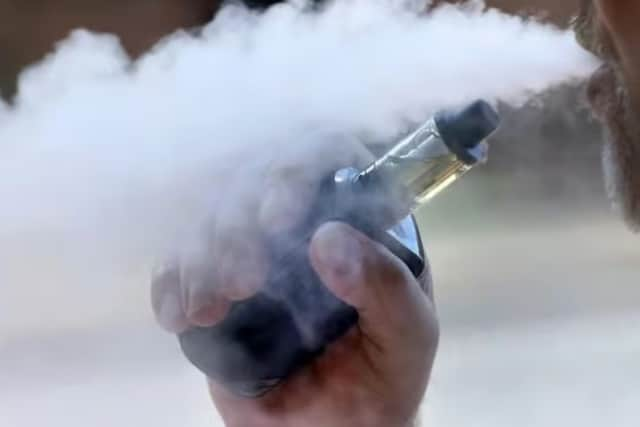
The consultation concerned measures included in the Tobacco and Vapes Act, which received Royal Assent in April.
The legislation introduced a ban on selling tobacco products to anyone born on or after January 1, 2009, with the aim of creating a smoke-free generation.
It also included restrictions on disposable vapes, whose sale was banned in June 2025, alongside measures targeting e-cigarette flavours and marketing.
A DHSC spokesperson said robust controls had been in place to prevent manipulation and had worked effectively.
“As a result, the fake responses were removed and the consultation helped inform the landmark action we are taking to create a smoke-free generation,” the spokesperson said.
The department added that it would remain alert to future attempts to interfere with public consultations and would continue taking action to promote healthier living.