
France blames Iran for fridge cyber attacks as UK ‘hunt forces’ target hackers and blackout threat grows
France has accused Iran of carrying out cyber attacks on supermarket refrigeration systems as Britain deploys specialist military teams overseas to disrupt hackers targeting UK networks.
France has accused Iran of being behind cyber attacks that remotely took control of supermarket fridges and freezers, as Britain deploys specialist forces overseas to disrupt hackers targeting UK defence systems.

French Foreign Minister Jean-Noël Barrot said Iran was responsible for attacks which affected refrigeration systems and warned there would be consequences.
He told a press conference: "I can confirm that this attack was carried out by the Islamic Revolutionary Guard Corps of the Islamic Republic of Iran."
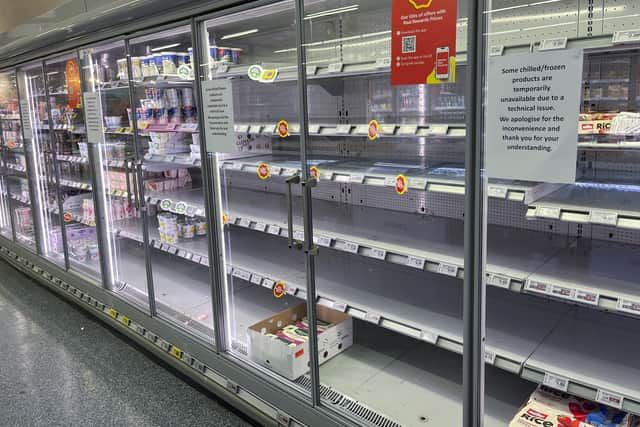
The accusation follows attacks on supermarkets in several European countries where fridges and freezers were remotely manipulated, causing temperatures to rise and resulting in tons of spoiled food worth millions of euros.
Last week, a separate cyber attack targeted blood banks in France and attempted to raise storage temperatures to extreme levels. Authorities said it was stopped before blood products or samples were damaged.
Cyber attacks on critical infrastructure are also a recognised UK security risk, including attacks capable of disrupting electricity supplies and causing blackouts.
Britain is now deploying specialist military teams overseas in an attempt to identify and disrupt hostile cyber operations before they reach UK defence networks.
Major General Mike Fayers, commander of the Defence Cyber and Electromagnetic Force, described the teams as “hunt forces”.
The operations can require approval from Defence Secretary Wes Streeting and involve personnel being sent overseas to identify adversaries preparing attacks against British systems.
Major General Fayers told The Times: “Our adversaries are very cunning. This is not just an MoD issue, this is a whole-of-UK challenge.”
He also warned that artificial intelligence was accelerating the speed at which vulnerabilities could be exploited.
“We’ve seen AI now exploiting vulnerabilities at a speed we have not seen before,” he said.
“Whereas historically we would have had a few days to fix vulnerabilities, we are now in double-digit minutes to respond to those vulnerabilities.”
The strategy marks a shift from simply defending UK networks once they are attacked towards trying to identify hostile cyber activity earlier.
Major General Fayers said: “We are trying to hunt for our adversaries in places where they prepare before they target UK military systems.
“I mean sending people physically to places to virtually hunt for the adversary to protect our systems.”
Recent attacks have added to concern over hackers targeting systems controlling physical infrastructure rather than simply stealing data.
Internet-connected refrigeration, industrial controls and energy equipment can all potentially become targets if attackers gain remote access.
A serious attack on electricity infrastructure could cause local or wider power disruption, although a nationwide UK blackout remains considered unlikely.
The French incidents show how cyber attacks can move from computer networks into the physical world, affecting food supplies, medical storage and other essential services.