
Ryanair flights: Budget airline could axe more flights to Spain as Spanish airport operator Aena proposes 6.5% fare increase

Popular budget airline Ryanair could axe more flights to Spain as the Spanish airport operator Aena is proposing a 6.5% fare increase.
Ryanair had previously threatened to cut more flights to airports across Spain in an ongoing war over ‘excessive’ fees. Now Aena has made matters worse but announcing that it is finalising its proposed fare review for 2026, with a 6.5% increase, the largest since Law 18/2014 came into force in 2015, freezing prices.
This adjustment would translate into an increase of 68 cents per passenger and would raise the Adjusted Maximum Revenue per Passenger (IMAAJ) to 11.03 euros, compared to the current 10.35 euros. In 2024, Aena already applied a 4.09% increase to offset energy cost overruns resulting from the war in Ukraine, with a two-year delay in passing them on to tariffs. However, the CNMC forced the operator to freeze fees in 2025, despite the initial proposal for a 0.54% increase.
Ryanair CEO Eddie Wilson previously told El Economista that the airline would not invest in loss-making operations. In January, the Irish budget airline slashed its summer 2025 traffic to Spain by a notable 18%.
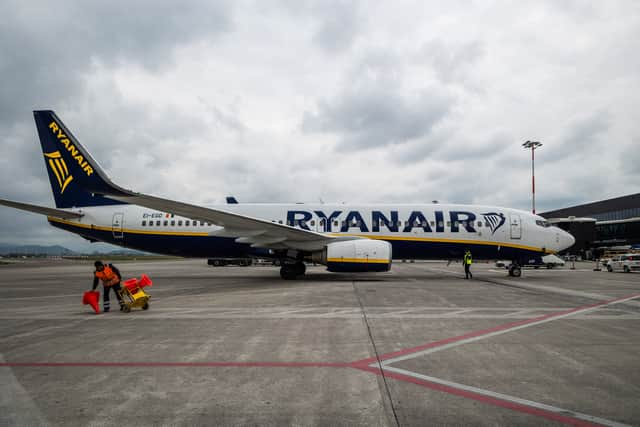

Closures were announced at Jerez and Valladolid, followed by reduced routes from Santiago de Compostela, Asturias, Cantabria, and Zaragoza. The cutbacks saw the loss of 800,000 seats.
Maurici Lucena Betriu, Aena’s CEO, told Metro: “I would like to make it very clear that on a day-to-day basis, we have good operational relations with Ryanair. In theory, Ryanair is removing the planes from the regional airports to the big airports and tourist hubs. Eliminating routes from regional airports is not due to the level of Aena tariffs at these airports because they’re very low, at €2 per passenger.
“But this decision from Ryanair, which is legitimate, is in line with the airline’s policy to maximise profits. They put their aircraft in the routes of airports where they get a higher economic return with higher ticket prices.”