
Brighton's iconic seafront paint colour replaced after 100 years as council switches to cheaper alternative
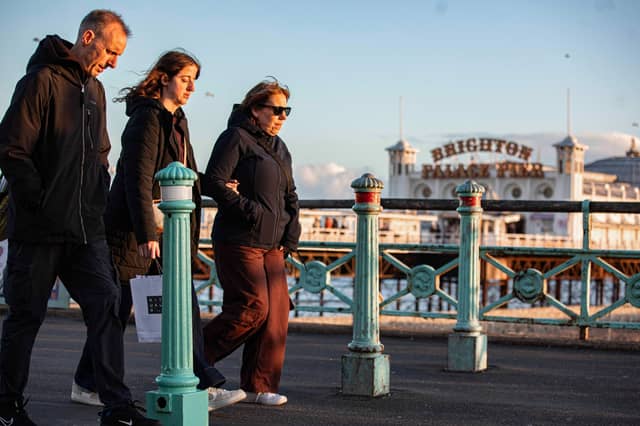

The city’s distinctive Brighton Blue has adorned historic railings and lampposts for more than a century, but a new protective coating has sparked debate
Brighton's iconic seafront could soon look a little different after the city council decided to replace its traditional turquoise paint with a cheaper alternative for historic railings and lampposts.
The distinctive shade, known locally as Brighton Blue, has adorned the seaside city's ironwork for more than 100 years, becoming a familiar feature of its historic streets and seafront.
But Brighton & Hove City Council (BHCC) is switching to a standard colour called RAL Light Green, which it says closely matches the original turquoise while offering a more durable and cost-effective way to protect the city's heritage structures.
The decision has divided residents, with some criticising the move as another loss for Brighton's historic character, while others welcome the prospect of freshly restored railings and lampposts without peeling paint and rust.
One commenter on Facebook said: "More of Brighton and Hove's heritage being sacrificed by this council."
Another wrote: "The colour is too modern for Victorian railing and lampposts. Typical Brighton Council."
However, others backed the change, with one resident saying: "It'll look a damn site better than the flaky railings and posts now."
The council said the new finish forms part of a specialist protective coating system designed to preserve the city's cast-iron structures for longer.
Councillor Jacob Allen, cabinet member for public realm, said detailed consideration was being given to the heritage of the city's historic infrastructure as restoration work continues on lamp columns, bollards, railings and the famous Madeira Terrace arches.
He said: "Our approach balances preserving these iconic cast iron structures with taking advantage of modern preparation methods and advanced protective coating systems to ensure they can be maintained in the future.
"We're protecting the cast ironwork using a specialist, cost effective and long-lasting coating system, rather than standard paint, and the closest available match to the turquoise paint used on the terrace since the 1920s, determined by microscopic paint analysis."
The council has acknowledged that commissioning a bespoke colour can cost thousands of pounds, making a standard shade that closely resembles Brighton Blue a more practical option for restoration projects.
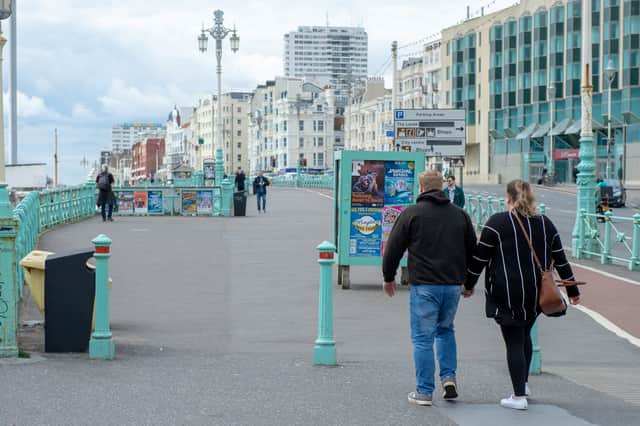
The decision comes as the authority faces financial pressures, with a July report forecasting a potential £19.882 million overspend in 2026/27, largely driven by growing demand and complexity in social care services.
However, Allen insisted the paint change was primarily about protecting historic structures rather than making immediate savings.
He said the coating would extend maintenance cycles, reduce the need for repeated work and potentially deliver savings over time.
The councillor added that the new colour would closely resemble the traditional turquoise in daylight, although its appearance would become more muted over time. The lighting planned for Madeira Terrace would also create different visual effects after dark.
"We are confident this is as good a match as possible," he said.