
Why more Brits are turning their hobbies into side hustles as cost-of-living pressures bite


This article contains affiliate links. We may earn a small commission on items purchased through this article, but that does not affect our editorial judgement.
New figures reveal a rise in side hustles among younger Brits, with more people investing in equipment to help turn creative ideas into extra income.
Britons are upgrading their side hustles with new equipment, as under-30s increasingly look to bolster incomes as cost-of-living pressures bite, new data shows. Currys’ business division recorded a spike in purchases of its portable card payment terminals, which small business owners can use to accept payments.
It reported a 150% increase in sales over the year-to-date, compared with the same period a year ago, for machines from brands SumUp and Square. Sales of Starlink terminals, small devices that provide satellite internet connection, were also up by 93% year-on-year.
The electronics retailer said this reflected people taking their side hustles to the next level and getting kitted out.
Currys chief services officer Dean Kramer said: “A side hustle used to mean a bit of extra cash at the weekend. What we’re seeing now is people setting up properly – taking payments, getting online in places they couldn’t before and generally making a small operation look professional.”
Side hustles typically refer to activities that generate cash in addition to people’s main job and popularity has boomed in recent years as people tap into online marketplaces and social media content.
Currys said this was particularly the case for under-30s who are doing so to bolster their income streams. Its survey of 2,000 UK adults found that a quarter of Britons have an additional income stream to give them more breathing space. This rises to 43% of under-30s, and 30% for millennials.
Among the most popular side hustles are online selling and reselling, content creation and social media influencing, and selling crafts and handmade goods, the survey found. Economic pressures were a key driver of activity, with a quarter saying they started their venture specifically to help cover rising living costs, while a third said they wanted to have more disposable income.
One area attracting would-be entrepreneurs is personalised crafts, with some people investing in equipment such as a Cricut cutting machine to turn a creative hobby into an extra source of income. The machines can be used to make customised T-shirts, mugs, greeting cards, labels, home decorations and personalised gifts, which can then be listed for sale on online marketplaces such as Etsy, eBay and Vinted.
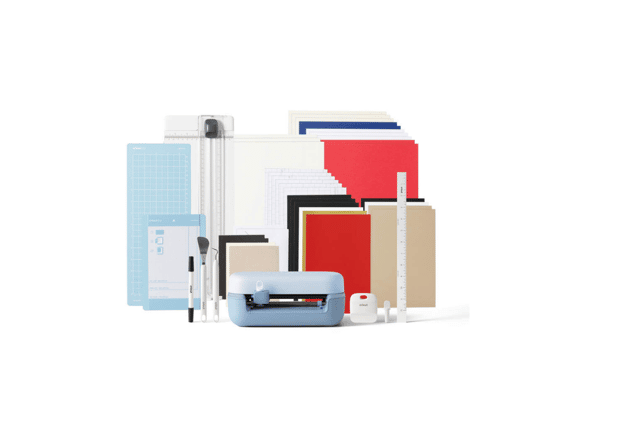
For anyone who enjoys making things, it offers a way to experiment with a small business from home, although sellers will need to factor in the cost of materials, platform fees and the time involved in making and posting orders. Some 38% of respondents said cost-of-living pressures had led them to put more time and effort into their side hustle, averaging seven hours a week.
In last month’s Budget, the Chancellor pledged to triple the trade allowance – the amount you can earn from a new venture tax-free – from £1,000 to £3,000, and bring in a new allowance to cover a year of living costs for young entrepreneurs. The Government said the move was set to make it easier to earn money from a side hustle.
Natalie Dixon is our Lifestyle reporter, if you liked this article and want to read more about lifestyle you can follow Natalie Dixon on X here