
New pet rights could leave landlords facing costly damage bills, according to a specialist insurer



This article contains affiliate links. We may earn a small commission on items purchased through this article, but that does not affect our editorial judgement.
Tenants in England now have the right to ask to keep a pet, but landlords are being urged to check their insurance before agreeing to avoid an expensive surprise.
Millions of renters could find it easier to keep a dog or cat at home under new rules, but landlords are being warned they may have to pay for any damage themselves.
The Renters’ Rights Act gives private tenants in England the legal right to ask to keep a pet. Landlords can no longer shut down every request with a blanket “no pets” rule.
That could be a huge boost for animal lovers who have struggled to find a suitable rental home.
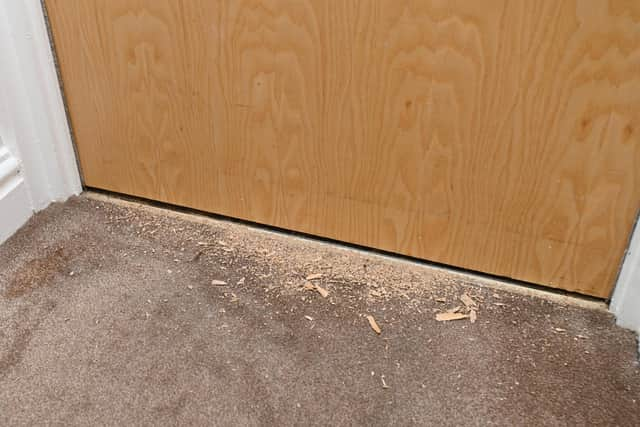
But there is a potentially expensive catch. Specialist insurer AXA says common pet damage, including scratched floors, chewed doors, torn carpets and fouling, may not be covered by a standard landlord insurance policy.
That means an owner who agrees to let a tenant keep a dog or cat could be left with a sizeable repair bill if the animal causes damage.
Tenants do not have an automatic right to move an animal in without permission. They must make a request, and a landlord can still say no where there is a fair and properly explained reason.
A refusal could be reasonable where the property is too small, another resident has a serious allergy or the terms of a lease prevent animals from being kept in the building.

But landlords will no longer be able to reject a request simply because they have always operated a strict no-pets policy.
AXA says the change makes it more important for both sides to agree how the arrangement will work before an animal moves in.
A tenant may be responsible for damage caused by their pet, and reasonable repair costs could be taken from their deposit at the end of the tenancy.
However, landlords cannot simply demand an extra pet deposit or charge a separate fee to cover the risk.
If the damage costs more than the protected deposit, the landlord may need to pursue the tenant for the remaining money. That could mean further expense, delays and, in more serious cases, legal action.
AXA is urging landlords to check their insurance rather than assuming every accident or repair will be covered.
Standard landlord insurance is designed to protect against risks linked to renting out a property, but policies contain exclusions, limits and conditions.
Pet damage can fall outside that protection, even where a landlord has selected additional accidental damage cover.
Owners should check the wording of their policy before approving a pet request and make sure their insurer has accurate information about the property and tenancy.
A detailed inventory could also prove vital. Landlords should record the condition of carpets, doors, floors, skirting boards, furniture and gardens before the pet arrives. Clear photographs could help settle a later dispute over whether damage was new or already present.
Tenants should take their own photographs when they move in or when permission for a pet is granted. This could help prevent them being blamed for marks or damage that were already there.
Renters could also strengthen their request by providing useful details about the animal, including its size, age, training and temperament.
Evidence that a pet has lived successfully in a previous rented property may also reassure an owner who is worried about possible damage.
The new rules are designed to make pet-friendly renting more realistic, rather than forcing every landlord to accept every animal.
For tenants, it means a request must be properly considered. For landlords, it means an automatic refusal may no longer be enough, but neither is blindly agreeing without checking the financial risk.
Other changes that affect rented properties
The pet reforms are part of wider changes under the Renters’ Rights Act, which also abolished Section 21 “no-fault” evictions and introduced new rules covering rent rises, rental bidding and discrimination.
AXA says the shake-up will make accurate records, clear communication and suitable insurance increasingly important for landlords.
The end of Section 21 means owners must now rely on recognised legal grounds if they need to recover a property, including plans to sell, moving in themselves, serious rent arrears or antisocial behaviour.
That process is more formal and will usually require evidence, meaning landlords who lose paperwork or fail to follow the rules could face additional delays and costs.
AXA is encouraging owners to review their tenancy documents, tenant information and insurance before something goes wrong.
That includes checking whether legal expenses, accidental damage or loss-of-rent protection is included and understanding the limits of each type of cover.
The new pet rights could be good news for tenants and landlords alike. Renters may gain a more stable home with their animal, while property owners could attract a wider pool of responsible tenants.
But AXA’s warning is simple: allowing a pet does not guarantee that an insurer will pay when claws, teeth or muddy paws leave their mark.
For renters, the door to a pet-friendly home is opening. For landlords, checking the small print before opening that door could prevent a nasty financial surprise.
For a full breakdown of what is covered, or to get a free online quote, click here.

✨ e.l.f.’s cult-favourite Power Grip Primer is the beauty hero behind the “grip, set, go” routine, helping smooth skin and give makeup something to cling to before festivals, weddings, holidays, day parties and long summer plans.
💚 Regular users can stock up with the Jumbo Power Grip Primer, while the Power Grip Stick & Set Duo keeps things brilliantly simple: grip it first with primer, then set it with Power Grip Dewy Setting Spray for long-lasting wear and a fresh, dewy finish.
🎪 For anyone building a festival beauty kit, the Power Grip family is all about making your base routine feel easy, affordable and event-ready, with options including the 4% Niacinamide primer and Rosé Setting Spray for shoppers who already know this range has serious beauty-bag energy.

Selling every 20 seconds worldwide, SmilePro’s Advanced Whitening Kit is one of the fastest-growing alternatives to expensive dentist whitening. The dentist-developed system claims to deliver visibly whiter teeth in just 10 minutes and is currently available with 50% off.