
Trooping the Colour: Princess Diana’s former butler Paul Burrell lifts lid on ceremony revealing ‘three-line whip’ for Royal Family to attend


Former royal butler Paul Burrell explains the Trooping of the Colour ‘three-line whip’ for the Royal Family and reveals how Princess Diana “passed the test” before marrying Charles.
Former royal butler to Princess Diana, Paul Burrell, has lifted the lid on ‘the second most important day in the royal calendar’ - the Trooping of the Colour ceremony - and reveals how the Princess “passed the test” before marrying Charles.
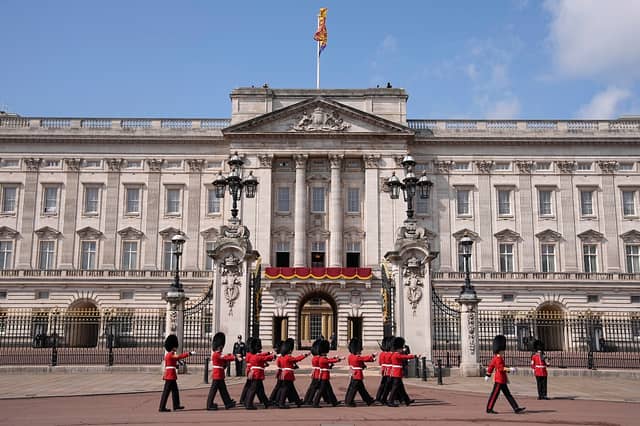
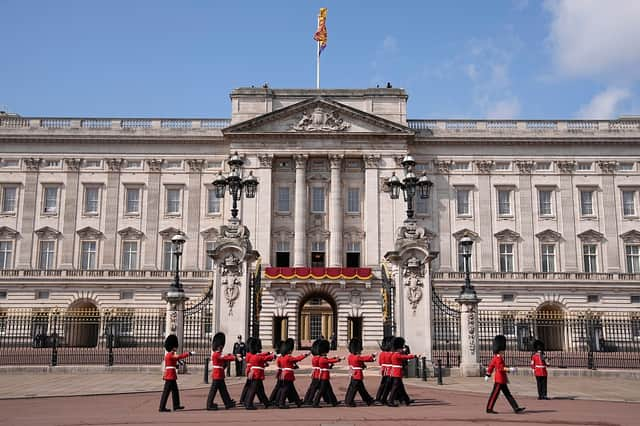
The Royal Family will lead the pomp and ceremony of Trooping the Colour on Saturday (June 14), which will see 1,400 parading soldiers, 200 horses and 400 musicians come together at Horse Guard’s Parade to mark the official birthday of King Charles III.
Ahead of the celebrations, Burrell gave some insight into the precision that goes into organising the day itself, and why there’s a ‘three-line whip’ for Prince William, Princess Kate and the rest of The Firm to attend. Speaking in a new interview with Prime Casino, Paul explains it’s important for the monarchy to be ‘very visible’ at Trooping the Colour, and says the event is not just important for the family, but for the nation as a whole.
The 67-year-old also shared details of the extensive rehearsals that take place in the lead up to the celebration including a second rehearsal in the days leading up to the real thing taking place at 4am ‘to cause the least disruption to London possible’. The “well rehearsed plan” which he says is similar each year, sees a different regiment troop their colour - hence the name of the event.
Also discussing the late Princess Diana’s involvement in Trooping the Colour, the former servant of the British Royal Household, talked about how the princess was allowed to attend the ceremony before marrying into the Royal Family, says it told “how accepted she was” at that time.
Trooping the Colour three-line whip
Burrell said: “It's the second most important day in the royal calendar after Remembrance Sunday. It's the day when we as a nation really celebrate our monarchy, because it's the King's official birthday, as it was the Queen's official birthday.
“Everyone who is able to attend, will attend. There's a three line whip for Remembrance Sunday and for Trooping the Colour. Trooping the Colour and the appearance on the balcony is very important, not only for the Royal Family, it's important for the nation.
“It's the day we see our Royal Family on show and they have to perform, and that's what they do. As do the armed forces, led by the mounted division of the household cavalry, we get to see them, close up and on show, and very visible.
Trooping the Colour dress rehearsals
“There's a dress rehearsal the week before when people stand in for the royals and they do it as if it's for real,” Burrell continued. “People can actually get tickets for the rehearsal, to sit in the stands at the Horseguard’s Parade and watch the whole thing. But the Royal Family is not there.”
“During the week they have a 4am rehearsal where the army doesn't wear their dress uniforms. The carriages are all closed shut, so they're just pulled by the horses with closed carriages.
“Come rain or shine, a rehearsal happens in very small hours to cause the least disruption to London as possible. There's a lot of planning that goes into it. It's a well rehearsed plan, which is a similar plan for every year.
“The Royal Mews know exactly where they're going and what they're doing, it’s just that the regiments change every year. They're the ones that need the rehearsal because every year it's a different regimen Trooping their Colour, so they are front and center and they troop their color in front of the monarch.
“It takes a lot of planning and it's probably the biggest day, biggest public procession in London, even more so than a state visit because of all the troops involved in the planning of it.”
Princess Diana “passed the test” attending Trooping the Colour
Burrell added: “Diana was accepted before she was married, she'd already passed the test to be part of the family and was invited to join the public procession before she was married.
“She continued to do that every year that she could afterwards because she realised this was her public role.”